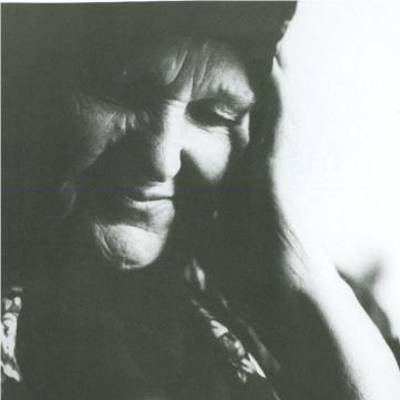
Maria Prymachenko
Author Profiles

About the Author:

1. photo by Yuri Rost. Mariia Pryimachenkoee.jpg!Portrait
photo by Yurii Rost
Maria Prymachenko
Bolotnya village in the Ivankiv Raion, Kiev Oblast, Ukraine

Maria Prymachenko (Ukrainian: Приймаченко Марія Оксентіївна) (1908–1997) was a Ukrainian village folk art painter, representative of naïve art. She is famous for her drawings, embroidery, and painting on ceramics.

Maria was a peasant woman. She was born and spent her whole life in the village of Bolotnya in the Ivankiv Raion, Kiev Oblast, situated only 30 km (19 mi) from Chernobyl.

Іn her childhood Maria was taken ill with polio, and this painful disease influenced the girl’s life.

In 1966, Prymachenko was awarded the Taras Shevchenko National Prize of Ukraine. The United Nations Educational, Scientific and Cultural Organization (UNESCO) declared that 2009 was the year of Prymachenko. A street in Kyiv and a minor planet are both named after her. Pablo Picasso once said, after visiting a Prymachenko exhibition in Paris, “I bow down before the artistic miracle of this brilliant Ukrainian.”
Bookshelf
Shabalin s book cover
by Sergei Shabalin

A new book of poems by New York poet, journalist, and essayist Sergei Shabalin. In Russian.

Agent Dmitri
by Emil Draitser

Sailor, artist, lawyer, and writer, Dmitri Bystrolyotov was one of a team of Soviet spies operating in the West between the World Wars. He seduced women to learn great secrets of foreign states, but was then arrested and tortured in the Gulag, where he began to document the crimes against humanity of the regime he had served.

Romm
by Michael Romm

This book features biographies of the author’s family members, detailing with the effect of the war on their lives.

book Queen
by Borys Khersonsky. Svetlana Lavochkina and Oksana Rosenblum, translators

The first bilingual collection of Ukrainian verse by Borys Khersonsky. In these poems, heaven is often the setting: Jews who perished during pogroms and in the Holocaust continue with their daily routines, whereas on earth, displacement has become a constant, and collective memory has been cleansed of the Jewish past.

Videos
No data was found