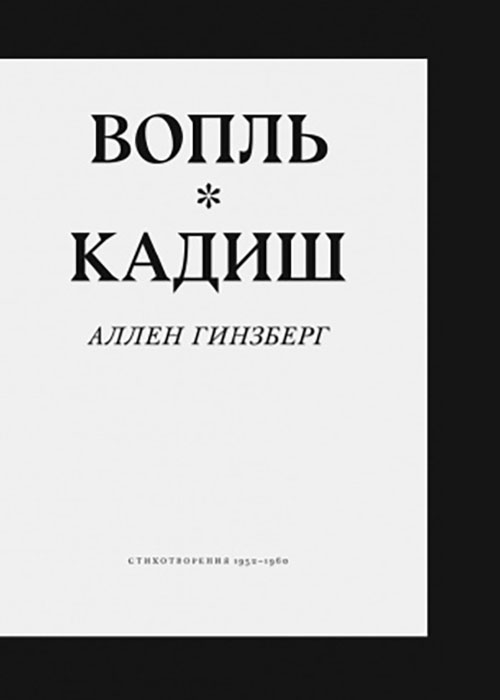
Allen Ginsberg’s “The Howl” and “Kaddish”. Translated by Dmitri Manin
vopl-cover
Allen Ginsberg's "The Howl" and "Kaddish". Translated by Dmitri Manin
by Allen Ginsberg. Dmitry Manin (translator)

Аллен Гинзберг — икона бит-движения, поэт-визионер, чьи вызывающе смелые стихотворения неизменно производили эффект разорвавшейся бомбы, возмущая филистеров и восхищая хипстеров, изгоев и бунтарей. Экстатический «Вопль» и исповедальный «Кадиш» — поэтические сборники, прославившие Гинзберга и обеспечившие ему место в пантеоне контркультуры, — впервые публикуются на русском языке полностью в новом переводе Дмитрия Манина.

Вступительная статья и комментарии к сборнику подготовлены философом и исследователем литературы Дмитрием Хаустовым.

Издание создавалось в сотрудничестве с фондом Аллена Гинзберга (Allen Ginsberg Estate).

Also on our Bookshelf:

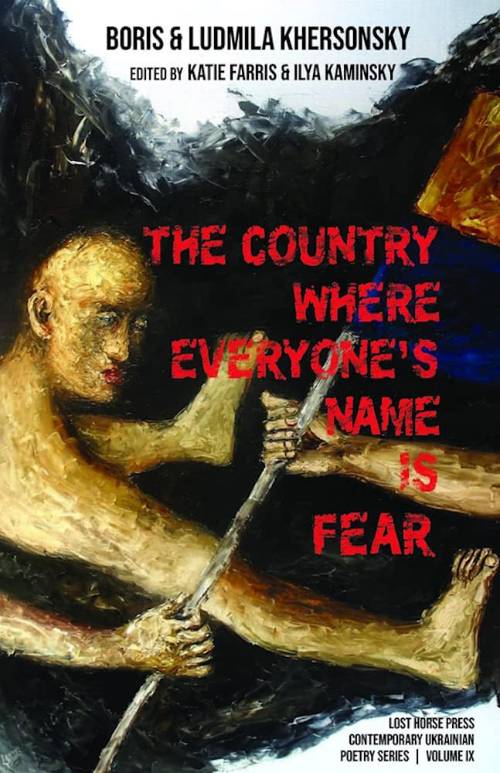
by Borys Khersonsky. Svetlana Lavochkina and Oksana Rosenblum, translators

The first bilingual collection of Ukrainian verse by Borys Khersonsky. In these poems, heaven is often the setting: Jews who perished during pogroms and in the Holocaust continue with their daily routines, whereas on earth, displacement has become a constant, and collective memory has been cleansed of the Jewish past.

by Mikhail Iossel

The author has found a perfect syntactical solution to the opposition of past and present in this groundbreaking collection of one-sentence stories: everything is simultaneous, breathless, in a dizzying spin of memory and imagination.

by Yelena Matusevich

A collection of very short stories. In Russian.


by Maxim Matusevich

Six Trains of No Return collects twelve short stories and novellas that examine immigrant sagas and dislocations.

by Zinovy Zinik

When Clea returns to London with her new Russian husband, she is surprised to see him become even more eccentric.

by Mark Budman

After a century of brooding and talking telepathically to his Mausoleum janitor from his glass coffin, Vladimir Lenin awakens—alive and bewildered in the modern world.