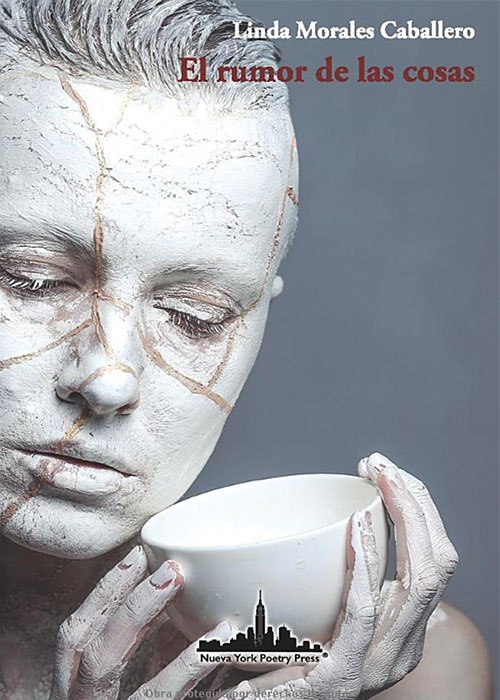
The first section of this enigmatic book is entitled “Kintsugi,” translated by its author, Linda Morales Caballero, as “the beauty of scars.” And that it is; but it is something else as well. The Japanese word (金継ぎ), composed of kin (gold or golden) and tsugi (to repair) refers to the art of repairing or suturing broken objects: ceramic bowls, for example, with gold liquid. As each object breaks differently, the golden sutures take on a special beauty, and in the end what is on display, as the author rightly says, is “the beauty of the scars.”

The first bilingual collection of Ukrainian verse by Borys Khersonsky. In these poems, heaven is often the setting: Jews who perished during pogroms and in the Holocaust continue with their daily routines, whereas on earth, displacement has become a constant, and collective memory has been cleansed of the Jewish past.
A collection of very short stories. In Russian.
Six Trains of No Return collects twelve short stories and novellas that examine immigrant sagas and dislocations.
When Clea returns to London with her new Russian husband, she is surprised to see him become even more eccentric.
After a century of brooding and talking telepathically to his Mausoleum janitor from his glass coffin, Vladimir Lenin awakens—alive and bewildered in the modern world.