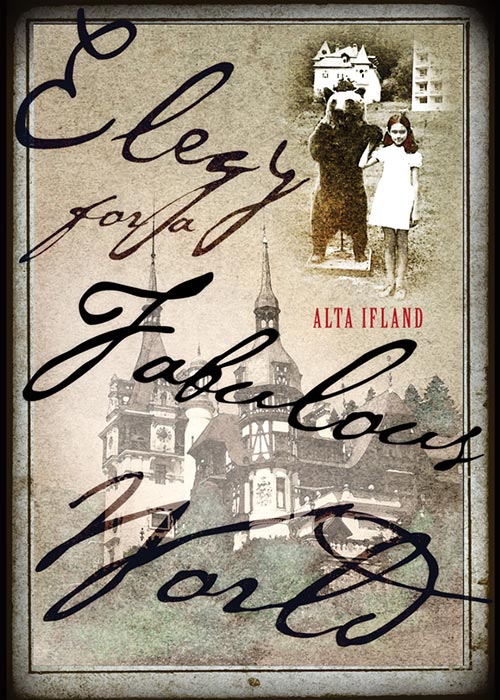
In the surreal and darkly humorous stories of Alta Ifland’s Elegy for a Fabulous World, the narrator recalls an eccentric family and their polyglot friends and neighbors–Hungarians, Germans, Romanians, Gypsies, Jews, Russians–surviving together in a space where fable, reality, and State-issued lies are impossible to untangle. In the book s second section the narratives immigrate to the United States, where the skepticism learned in fabulous youth infects and frustrates American attitudes and institutions. Real fictions of strange lands, Ifland’s stories demonstrate a deep sympathy with the visionary outsider and a vital and provocative international point of view.

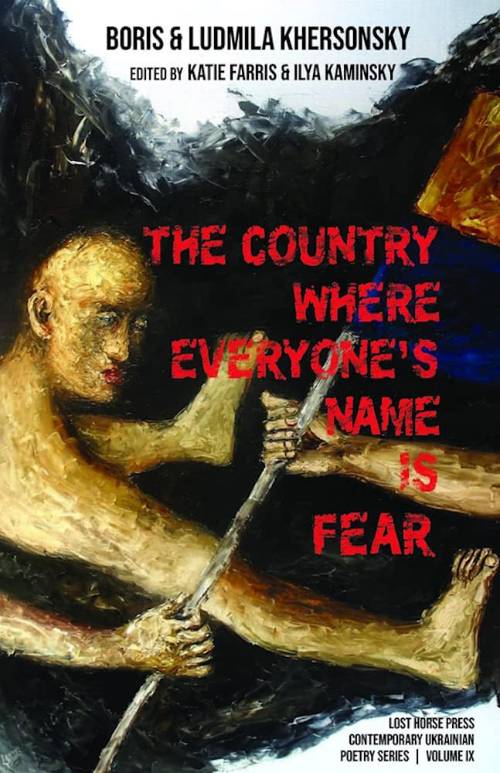
Boris Khersonsky and Ludmila Khersonsky write poetry that speaks to the crisis of our time, when refugees run from bombardments, and nonstop propaganda flows from TV. The setting is Ukraine at the start of the twenty-first century, but it is eerily recognizable anywhere.
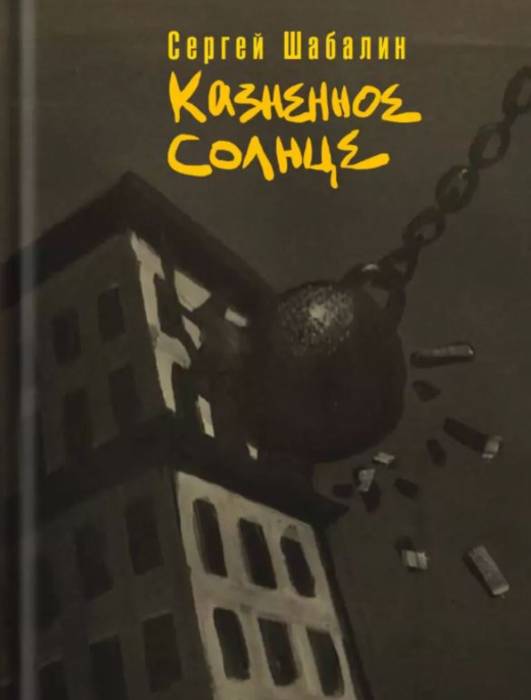
A new book of poems by New York poet and essayist Sergei Shabalin. In Russian.
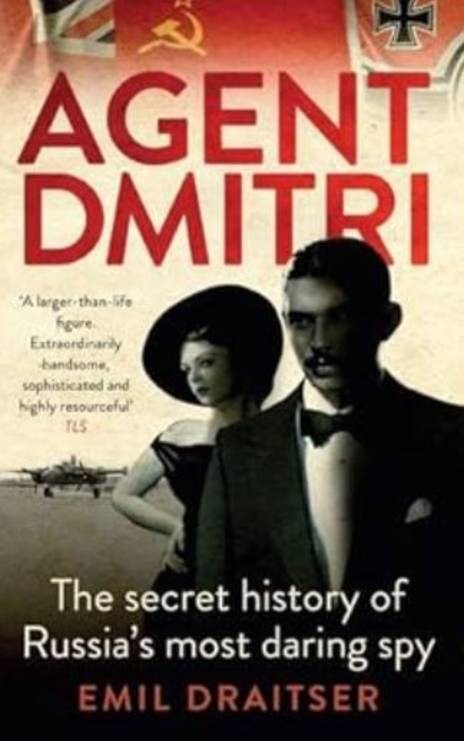
Sailor, artist, lawyer, and writer, Dmitri Bystrolyotov was one of a team of Soviet spies operating in the West between the World Wars. He seduced women to learn great secrets of foreign states, but was then arrested and tortured in the Gulag, where he began to document the crimes against humanity of the regime he had served.
This book features biographies of the author’s family members, detailing with the effect of the war on their lives.
The first bilingual collection of Ukrainian verse by Borys Khersonsky. In these poems, heaven is often the setting: Jews who perished during pogroms and in the Holocaust continue with their daily routines, whereas on earth, displacement has become a constant, and collective memory has been cleansed of the Jewish past.