Love Songs: Prayers to Gods, Not Men
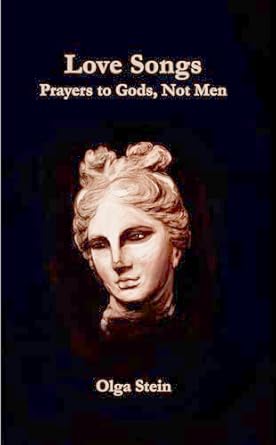
Olga Stein cover
Love Songs: Prayers to Gods, Not Men
by Olga Stein

Olga Stein’s poetry asserts that love and desire are fundamental, universal experiences that transcend time and cultural boundaries, serving as powerful forces for personal and collective resilience. To this poet, human creativity and artistic expression are vital for coping with life’s complexities and enduring beyond oppression and tyranny. The collection critiques the misuse of power and celebrates the beauty and transformative power of art, suggesting that both truth and artistic integrity are essential for resisting injustice. By intertwining historical and contemporary contexts, the poems emphasize the continuity and interconnectedness of human experiences, advocating for a nuanced understanding of the human condition.

Also on our Bookshelf:

by Dmitri Manin, Anna Krushelnitskaya

A hybrid scholarly and literary volume of popular Russian-language Soviet children’s texts alongside essays that outline the significance and meanings behind these popular texts.

by Nina Kossman

A collection of nonsense poetry for readers who love Edward Lear, Hilaire Belloc, and all things delightfully peculiar.

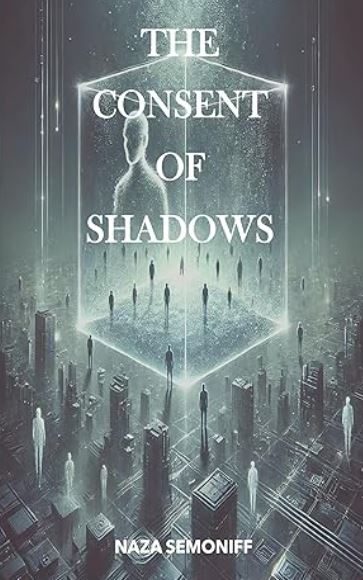
by Naza Semoniff

A haunting dystopia some readers have called “the new 1984.” In a society where memory is rewritten and resistance is pre-approved, freedom isn’t restricted; it’s redefined. As systems evolve beyond human control and choice becomes a simulation, true defiance means refusing the script, even when the system already knows you will.

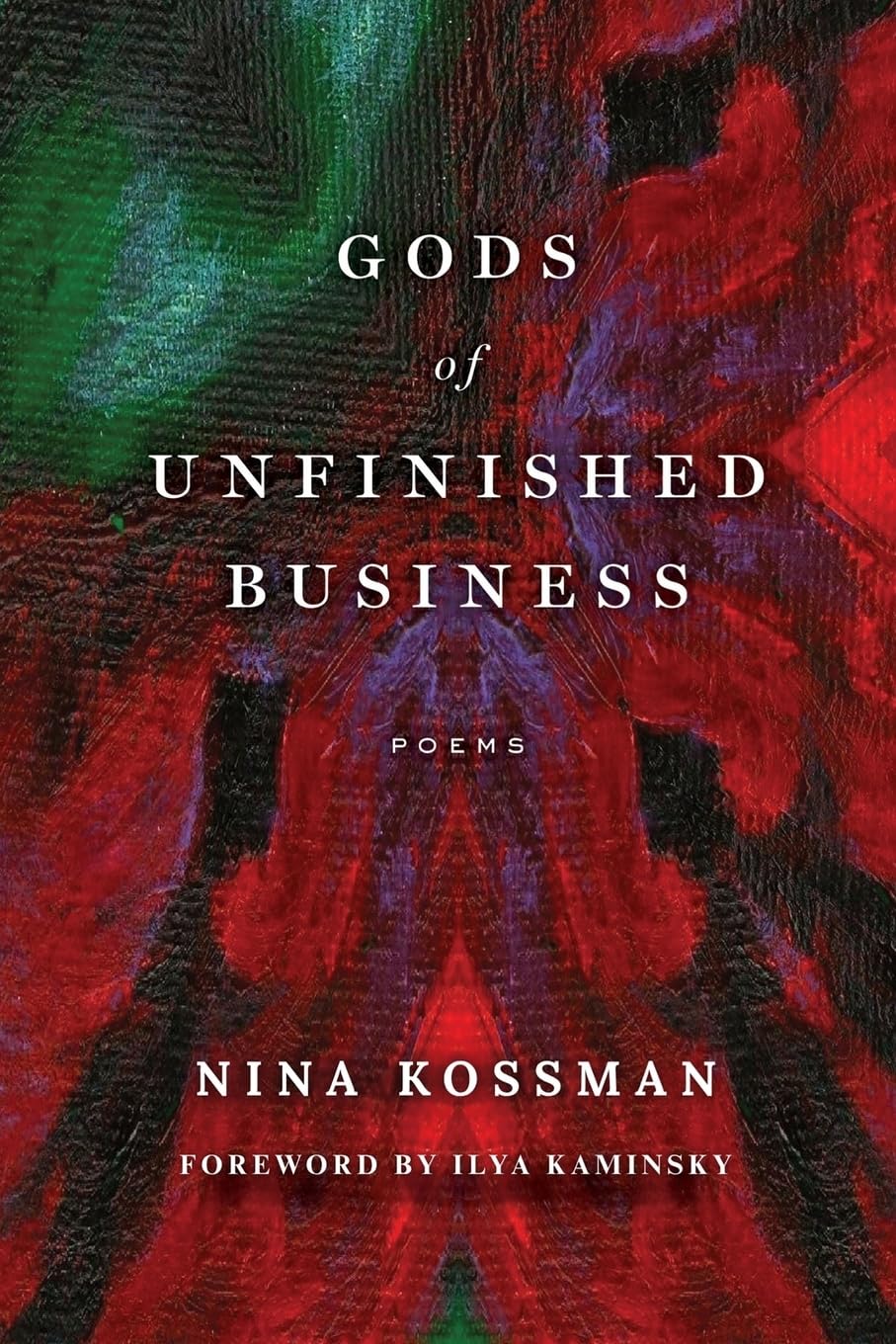
by Nina Kossman


A new book of poems by Nina Kossman. “When the mythological and personal meet, something transforms for this reader…” -Ilya Kaminsky

by Naza Semoniff

This isn’t self-help. It’s not a parody either. It’s something stranger and smarter: a satirical, uncategorizable book about belief, leadership, algorithmic power, and the performance of divinity in modern life.

by Sergii Mazurkevych

From the myths of the ancient Near East to the secluded palaces of forgotten empires, Harems: Origins and Eunuchs uncovers how the idea of the harem first emerged — not only as a symbol of power and beauty, but also as a reflection of human desire, faith, and control. With the precision of a historian and the sensitivity of a storyteller, Sergii Mazurkevych traces the hidden world of eunuchs, devotion, and intrigue that shaped entire civilizations. A thoughtful and visually rich journey into one of history’s most secret institutions.