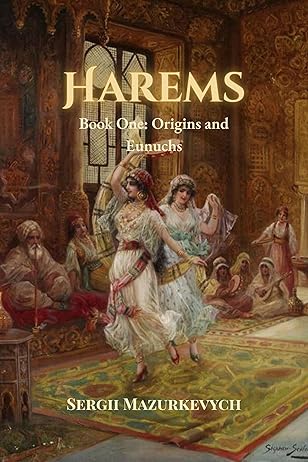
Sergii Mazurkevych. Harems. Book One: Origins and Eunuchs: An exploration of History, Culture, and Hidden Worlds
book one
Sergii Mazurkevych. Harems. Book One: Origins and Eunuchs: An exploration of History, Culture, and Hidden Worlds
by Sergii Mazurkevych

From the myths of the ancient Near East to the secluded palaces of forgotten empires, Harems: Origins and Eunuchs uncovers how the idea of the harem first emerged — not only as a symbol of power and beauty, but also as a reflection of human desire, faith, and control. With the precision of a historian and the sensitivity of a storyteller, Sergii Mazurkevych traces the hidden world of eunuchs, devotion, and intrigue that shaped entire civilizations—a thoughtful and visually rich journey into one of history’s most secret institutions.

Also on our Bookshelf:

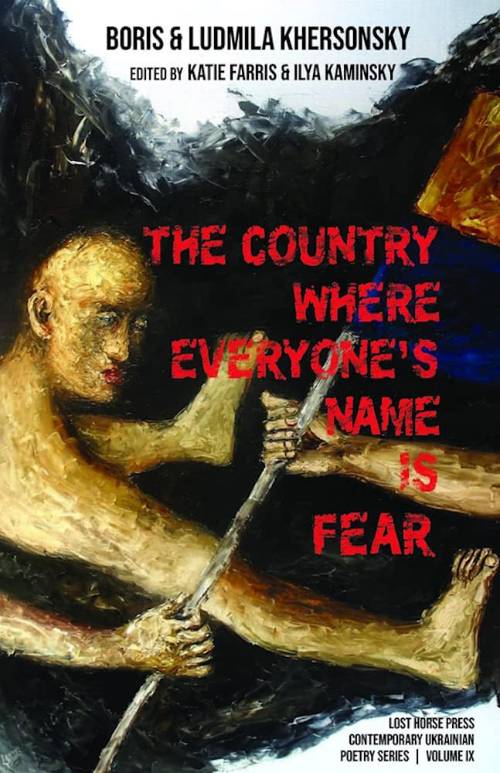
by Boris Khersonsky, Ludmila Khersonsky

Boris Khersonsky and Ludmila Khersonsky write poetry that speaks to the crisis of our time, when refugees run from bombardments, and nonstop propaganda flows from TV. The setting is Ukraine at the start of the twenty-first century, but it is eerily recognizable anywhere.

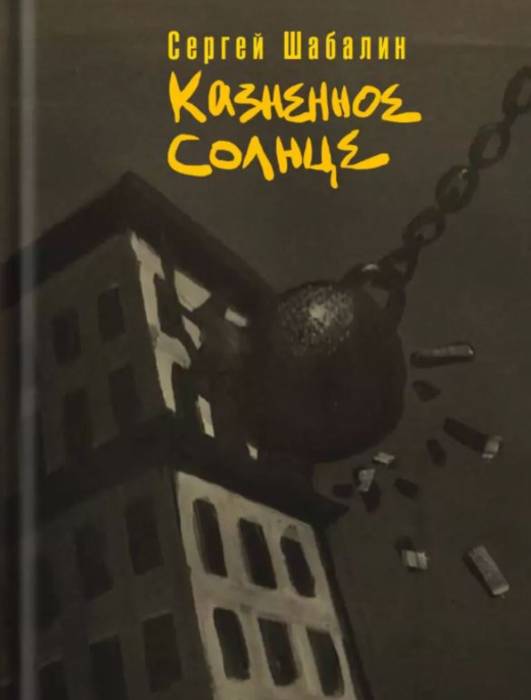
by Sergei Shabalin

A new book of poems by New York poet and essayist Sergei Shabalin. In Russian.

by Emil Draitser

Sailor, artist, lawyer, and writer, Dmitri Bystrolyotov was one of a team of Soviet spies operating in the West between the World Wars. He seduced women to learn great secrets of foreign states, but was then arrested and tortured in the Gulag, where he began to document the crimes against humanity of the regime he had served.

by Michael Romm

This book features biographies of the author’s family members, detailing with the effect of the war on their lives.

by Borys Khersonsky. Svetlana Lavochkina and Oksana Rosenblum, translators

The first bilingual collection of Ukrainian verse by Borys Khersonsky. In these poems, heaven is often the setting: Jews who perished during pogroms and in the Holocaust continue with their daily routines, whereas on earth, displacement has become a constant, and collective memory has been cleansed of the Jewish past.

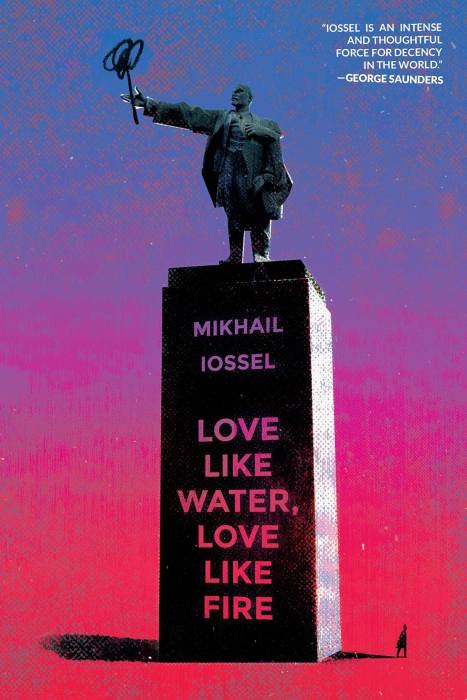
by Mikhail Iossel

The author has found a perfect syntactical solution to the opposition of past and present in this groundbreaking collection of one-sentence stories: everything is simultaneous, breathless, in a dizzying spin of memory and imagination.