The Country Where Everyone’s Name Is Fear: Selected Poems
61JSYBp5DJL._SL1000_
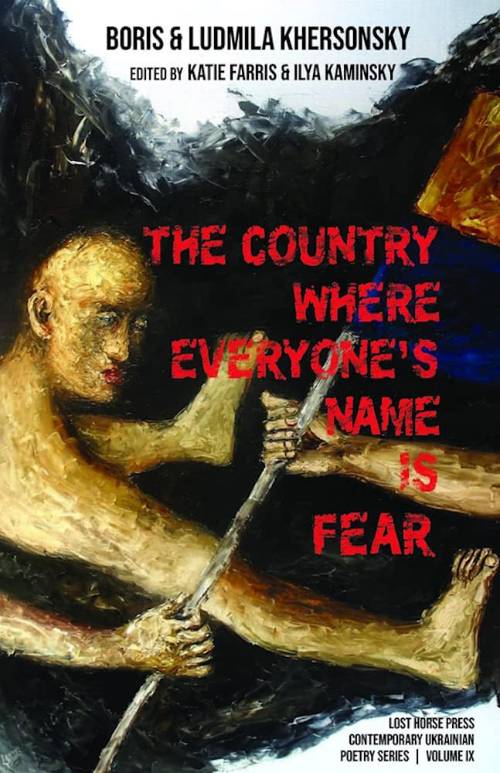
The Country Where Everyone’s Name Is Fear: Selected Poems
by Boris Khersonsky, Ludmila Khersonsky

Boris Khersonsky and Ludmila Khersonsky write poetry that speaks to the crisis of our time, when refugees run from bombardments, nonstop propaganda flows from TV, and neighbors begin to hate their neighbors. The setting is Ukraine at the start of the twenty-first century, but it is eerily recognizable anywhere.

These brief lyric poems speak about the memory of historical trauma and witness stark individual voices that pierce the wall of complacency. What is the music of such times? What is its metaphysics? This collection gives us an unflinching, memorable response.

Edited by Katie Farris and Ilya Kaminsky.

Also on our Bookshelf:

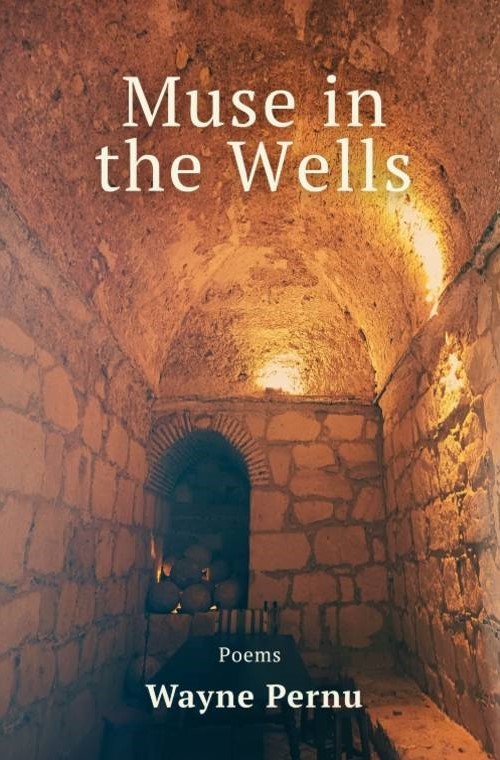
by Wayne Pernu

The new poetry collection from Wayne Pernu, one of the finest poets writing in English today. This is one of those rare collections that calls to mind the great masters—Donne, Keats, Yeats.

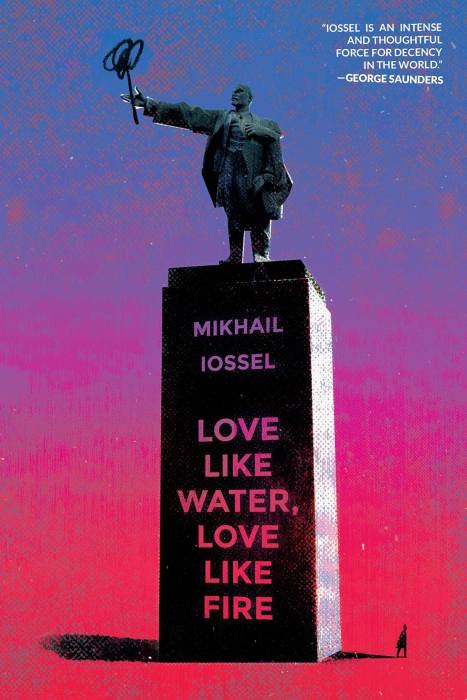
by Mikhail Iossel

Comedy and tragedy collide in stories of family life in Soviet Russia and the complexities of the immigrant experience

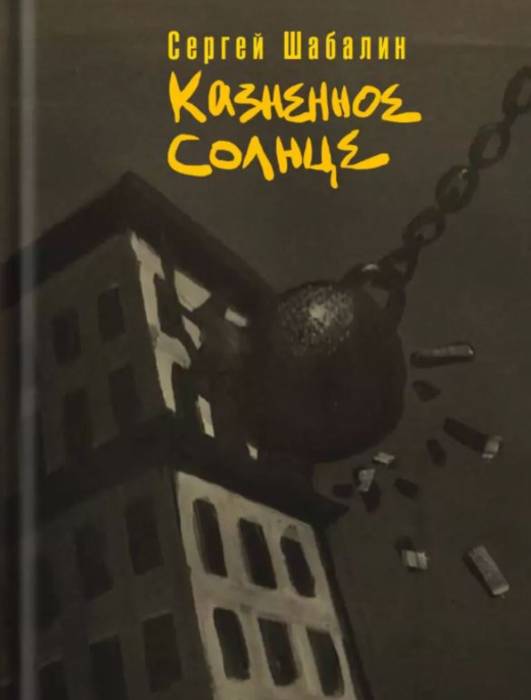
by Sergei Shabalin

A new book of poems by New York poet and essayist Sergei Shabalin. In Russian.

by Emil Draitser

Sailor, artist, lawyer, and writer, Dmitri Bystrolyotov was one of a team of Soviet spies operating in the West between the World Wars. He seduced women to learn great secrets of foreign states, but was then arrested and tortured in the Gulag, where he began to document the crimes against humanity of the regime he had served.

by Michael Romm

This book features biographies of the author’s family members, detailing with the effect of the war on their lives.

by Borys Khersonsky. Svetlana Lavochkina and Oksana Rosenblum, translators

The first bilingual collection of Ukrainian verse by Borys Khersonsky. In these poems, heaven is often the setting: Jews who perished during pogroms and in the Holocaust continue with their daily routines, whereas on earth, displacement has become a constant, and collective memory has been cleansed of the Jewish past.