Ever felt like you’re supposed to have all the answers? To lead. To inspire. To carry the weight of your own myth? Maybe you built something people believe in.
Or maybe you’ve just gotten really good at pretending. Either way—welcome to your God Complex.
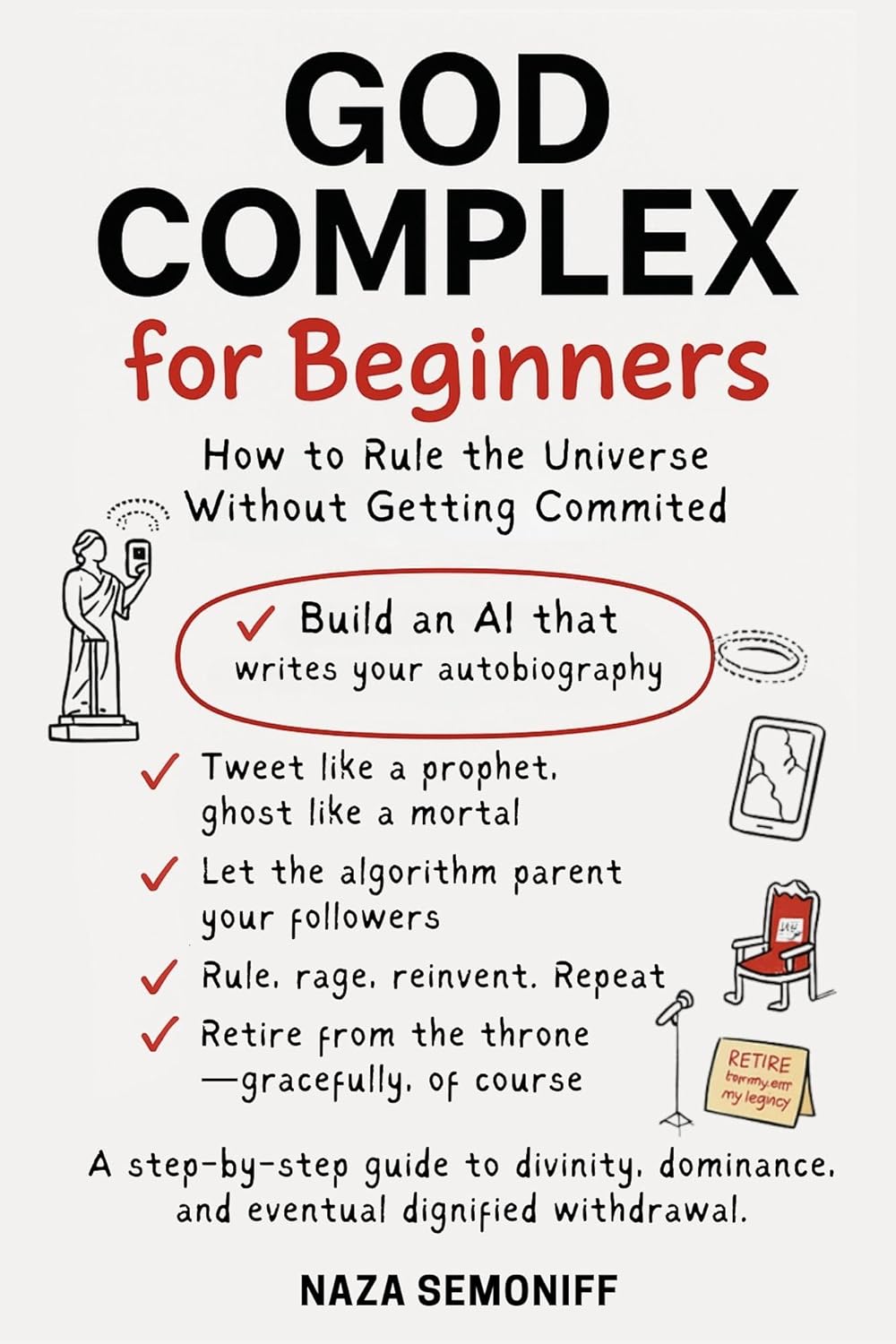
This isn’t self-help. It’s not a parody either. It’s something stranger and smarter: a satirical, uncategorizable book about belief, leadership, algorithmic power, and the performance of divinity in modern life. God Complex for Beginners is a postmodern user manual for anyone who’s created something bigger than themselves—and then quietly wondered what it’s costing them. Equal parts cosmic philosophy, startup gospel, and poetic breakdown, it’s what happens when Nietzsche meets UX design—with a side of AI ethics and immaculate branding. Written for the modern deity-in-crisis—founders, leaders, influencers, visionaries—this book explores what happens when belief becomes branding, followers become an algorithm, and your own creation stops asking permission.

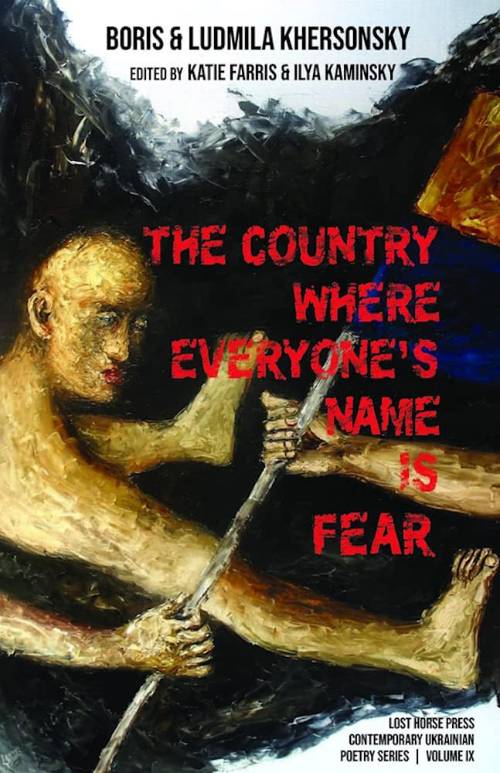
Boris Khersonsky and Ludmila Khersonsky write poetry that speaks to the crisis of our time, when refugees run from bombardments, and nonstop propaganda flows from TV. The setting is Ukraine at the start of the twenty-first century, but it is eerily recognizable anywhere.
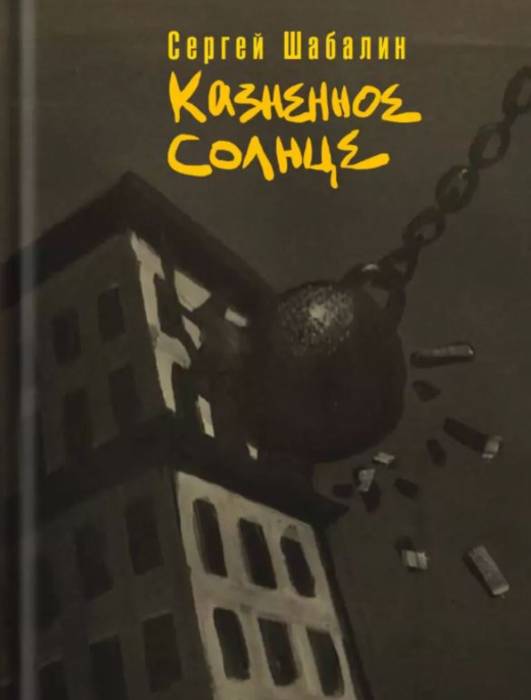
A new book of poems by New York poet and essayist Sergei Shabalin. In Russian.
Sailor, artist, lawyer, and writer, Dmitri Bystrolyotov was one of a team of Soviet spies operating in the West between the World Wars. He seduced women to learn great secrets of foreign states, but was then arrested and tortured in the Gulag, where he began to document the crimes against humanity of the regime he had served.
This book features biographies of the author’s family members, detailing with the effect of the war on their lives.
The first bilingual collection of Ukrainian verse by Borys Khersonsky. In these poems, heaven is often the setting: Jews who perished during pogroms and in the Holocaust continue with their daily routines, whereas on earth, displacement has become a constant, and collective memory has been cleansed of the Jewish past.