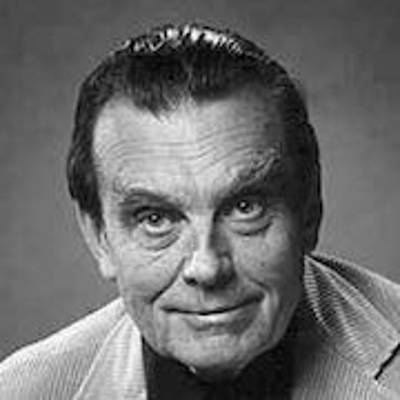
Czesław Miłosz
Author Profiles

About the Author:

1. czeslaw-milosz square
Czesław Miłosz
Village of Šeteniai (Polish: Szetejnie), Kovno Governorate, Russian Empire (now Kėdainiai district, Kaunas County, Lithuania)/ Poland / United States

Czesław Miłosz (30 June 1911 – 14 August 2004) was a Polish-American poet, prose writer, translator, and diplomat. Miłosz survived the German occupation of Warsaw during World War II and became a cultural attaché for the Polish government during the postwar period. When communist authorities threatened his safety, he defected to France and ultimately chose exile in the United States, where he became a professor at the University of California, Berkeley. His poetry—particularly about his wartime experience—and his appraisal of Stalinism in a prose book, The Captive Mind, brought him renown as a leading émigré artist and intellectual. Regarded as one of the great poets of the 20th century, he won the 1980 Nobel Prize in Literature. Czeslaw Milosz received the title of Righteous Among the Nations from Yad Vashem for saving Jews during the war.
Bookshelf
Shabalin s book cover
by Sergei Shabalin

A new book of poems by New York poet, journalist, and essayist Sergei Shabalin. In Russian.

Agent Dmitri
by Emil Draitser

Sailor, artist, lawyer, and writer, Dmitri Bystrolyotov was one of a team of Soviet spies operating in the West between the World Wars. He seduced women to learn great secrets of foreign states, but was then arrested and tortured in the Gulag, where he began to document the crimes against humanity of the regime he had served.

Romm
by Michael Romm

This book features biographies of the author’s family members, detailing with the effect of the war on their lives.

book Queen
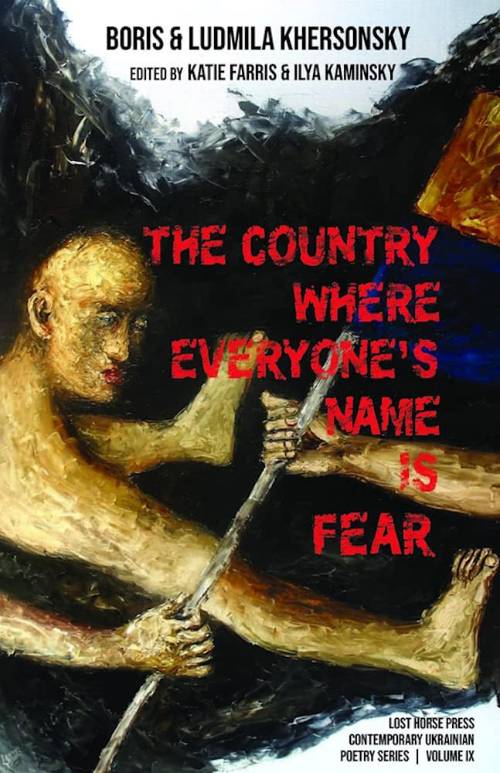
by Borys Khersonsky. Svetlana Lavochkina and Oksana Rosenblum, translators

The first bilingual collection of Ukrainian verse by Borys Khersonsky. In these poems, heaven is often the setting: Jews who perished during pogroms and in the Holocaust continue with their daily routines, whereas on earth, displacement has become a constant, and collective memory has been cleansed of the Jewish past.

Videos
No data was found