About the Author:
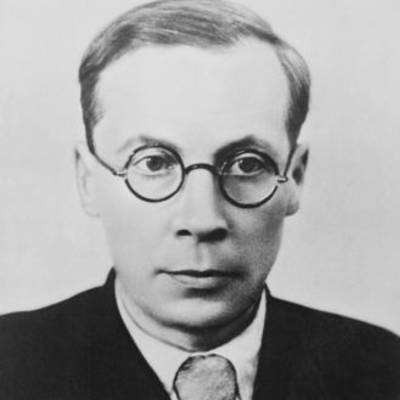
Nikolay Zabolotsky (born May 7, 1903) was a prominent Soviet and Russian poet and translator. In 1928, he founded the avant-garde group Oberiu with Daniil Kharms and Alexander Vvedensky. His first book of poetry, Columns (Столбцы, 1929), was a series of grotesque vignettes on the life that Vladimir Lenin’s New Economic Policy (NEP) had created. It included the poem “The Signs of the Zodiac Fade” (Меркнут знаки зодиака), an absurdist lullaby that, 67 years later, in 1996, provided the words for a Russian pop hit. In 1937, Zabolotsky published his second book of poetry, notable for its pantheistic themes. He was arrested in 1938, tortured, and accused of taking part of a counter-revolutionary plot with other Leningrad writers, such as Nikolai Tikhonov, Konstantin Fedin, and Samuil Marshak – none of whom were arrested. He was sentenced to five years to Siberia; this sentence was prolonged until the war was over. In 1944 after his appeal he was freed, but still continued the sentence in exile in Karaganda. He was released in 1945. The last few years of Zabolotsky’s life were beset by illness. He died of a second heart attack on October 14, 1958, in Moscow