Olya gives Dima a nudge, she’s eager for him to tell her:
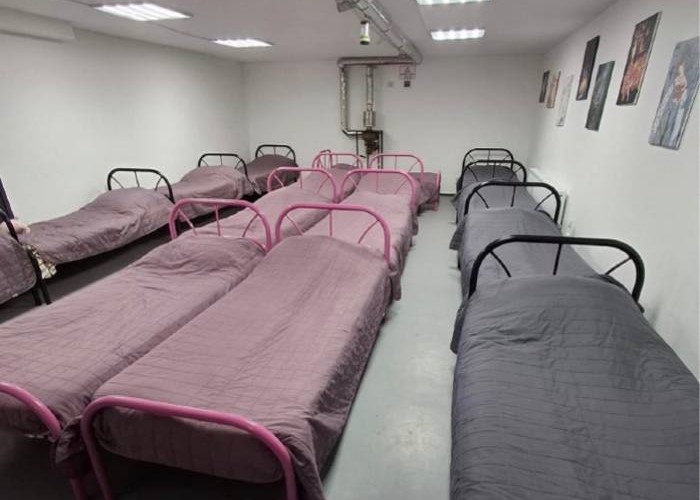
“If we’re invincible, then why are we stuck in the cellar?
Fine, we’re here in the cellar, the door to the stairs is shut tight—
But surely our enemies must be worse off than us, right?”
Olya feels a bit stifled, and her feet are swelling;
Olya is always spooked by the siren’s furious wailing.
It’s awful to run to the cellar, cramped like a panicked herd;
Olya would lose her mind if Dima weren’t next to her.
Olya keeps pestering Dima: “How much longer? How many days?
How big is that hunk of rubble? How much do you think it weighs?”
Dima does not say a word: he doesn’t reproach her or scoff.
Olya is due in July; that’s still a long way off.
Olya at birthing classes learns to hush pain with breathing.
She doesn’t know the truth; the truth doesn’t know her either.
Forces are locked in battle; force won’t decide the winner.
Dima cannot hear Olya—Dima was killed last winter.
Translated from the Russian by Laurence Bogoslaw
* * *
That’s what the motherland starts with:
A picture in your ABCs.
—from a Soviet song
You, a wholesale buyer of darkness:
Piles of death – you’re not contented.
Motherland, what made you start this?
Never mind, it’s time you ended.
A babushka on your head,
There you stand, spewing lies, deserted.
All the saints you had are dead,
And it’s you who had them murdered.
The ABCs with rhymes and pictures,
Motherland, what have you done here?
Look, a mother searches, searches,
Calling out to her dear /donya/.
Azure is the sky this winter.
Motherland, you must be quelled:
At the garden bench you splintered,
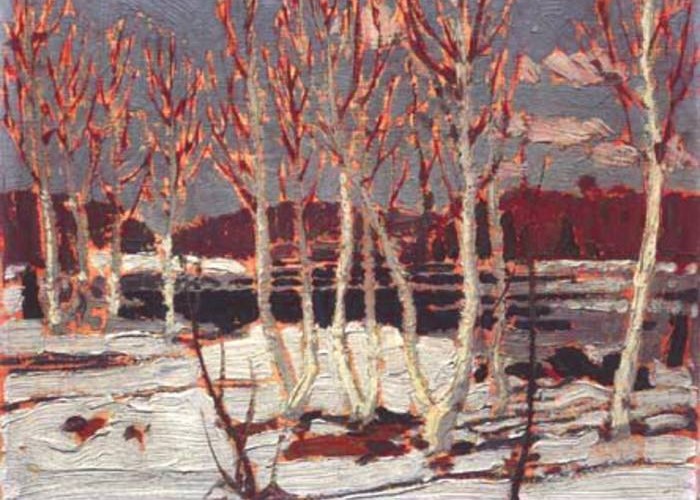
At the birch you crushed and felled.
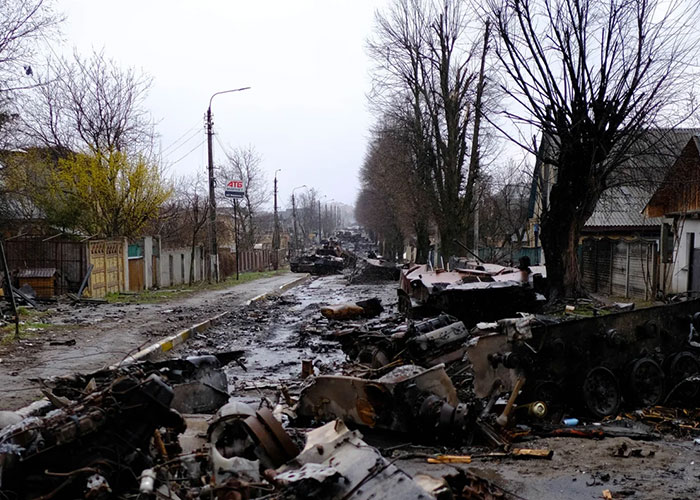
Can’t you see the dreadful bloodshed?
All this suffering and pain?
Enough’s enough, be over, motherland,
Never to begin again.
They are living in despair,
In despair, in angst, in horror,
Friends I left there: Olga’s there,
And Marina’s there, and Lora.
Translated from the Russian by Dmitri Manin
==================
Оля толкает Диму, хочет узнать у Димы:
Что ж мы сидим в подвале, если непобедимы?
Ладно, сидим в подвале, плотно закрыли дверь, но
Нашим врагам должно быть хуже, чем нам, наверно?
Оле немного душно и отекают ноги,
Олю всегда пугает яростный вой тревоги,
Страшно бежать к подвалу плотным тревожным стадом,
Оля сошла с ума бы, если б не Дима рядом.
Оля терзает Диму: это ещё надолго?
Может ли он прикинуть вес одного осколка?
Дима молчит: ни слова, вздоха или укора.
Оле рожать в июле, это ещё не скоро.
Олю на курсах учат, как не кричать от боли,
Оля не знает правды, правда не знает Олю.
Силы сцепились в схватке, дело уже не в силе.
Дима её не слышит, Диму давно убили.
* * *
С чего начинается Родина?
С картинки в твоем букваре
Тьмы оптовая заказчица:
Сколько смерти – все ей мало.
Родина, давай заканчивайся,
Чем ты там ни начиналась.
Что стоишь, в платок замотана,
Обезлюдевшая, лживая?
Все твои святые – мертвые,
Ты сама же и убила их.
Вот букварь, картинка с домиком.
Что ж ты, родина, наделала:
Ходит мати, ищет донечку,
Все зовёт, зовёт, да где она…
Небеса горят, лазоревы.
Родина, пора закончиться
На скамье, тобою взорванной,
На березе раскуроченной.
Ты не видишь, сколько крови-то?
Сколько горя? сколько боли?
Сил же нет, закончись, родина,
И не начинайся больше,
Там живут, не видя выхода,
Горько-горько, страшно-страшно.
У меня осталась Ирка там.
И Маринка, и Наташа.
___________________________________________
The second poem (“You, a wholesale buyer of darkness”) has been included in “Dislocation: An Anthology of Poetic Response to Russia’s War in Ukraine,” edited by Julia Nemirovskaya and Anna Krushelnitskaya (Slavica, 2024).