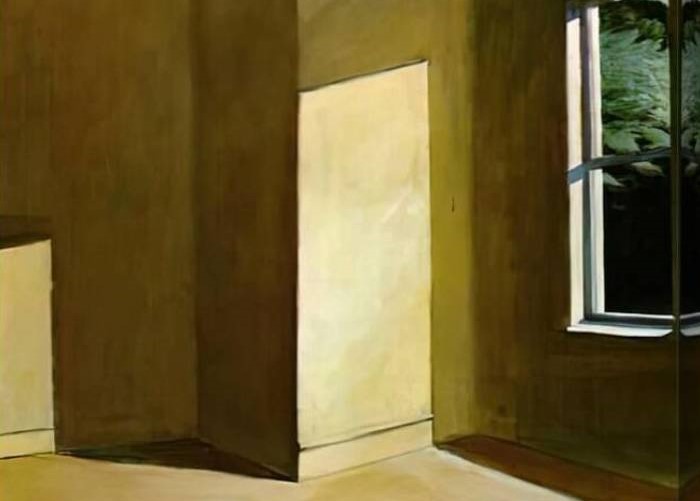
Now that I am dead, I see my room, in which there is no one. Strangely, it is filled with life. Trembling, the hands of the wall clock move from one digit to another. Someone forgot to close the window. I can see how the wind shook the branches of a tree, then flew into the room and stirred the curtain, which responded with a soft rustle to its touch. Through a crack in the frame, an ant made its way onto the windowsill. What is it to do in this boundless field? There is nothing edible in the room, except perhaps a few crumbs. A fly, caught in a spiderweb stuck to the corner of the window, has long since grown weak. The villain, hiding, must be waiting for a new victim. And there are sun glints on the wall. Paintings used to hang on it. One small one, featuring a bright March day and clearings between bare trees, was taken by a woman. First, she pulled out the drawers of the chest, fastidiously sorting through its contents. Then she evaluatively examined the trifles of my past life scattered around the room: jars of cream, boxes with cheap jewelry, a lamp with a burnt lampshade by the bed. A rolled-up tube of lipstick that had rolled away crunched under her foot. In hesitation, the woman examined the furniture, unaccustomed to human presence: shelves with books, a wardrobe with open doors where my dresses hung forlornly on hangers, a desk piled high with dusty papers. The legs of the chair groaned plaintively when a guest unfamiliar to it sat down on it.
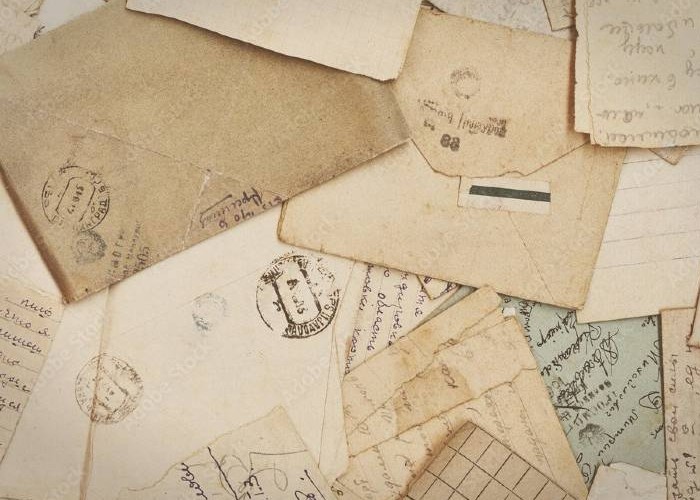
For a long time, the woman couldn’t pull out the drawer; she didn’t know the little secret: you need to pull it toward you while pressing down slightly from underneath. Finally, she succeeded. Out of the drawer fluttered receipts, yellowed envelopes, some kind of ribbons, postcards, and coins rolled out. Bank papers. It seems this was exactly what she needed. She was talking animatedly on the phone when another woman, more like a boss, appeared with a key in her hand. Something between them went wrong. I couldn’t hear what they were talking about. Finally, the first one left, taking that very painting with the spring landscape. A white spot remained on the wall. Right on her way out, the bossy one took an umbrella she had taken a liking to from the hanger.
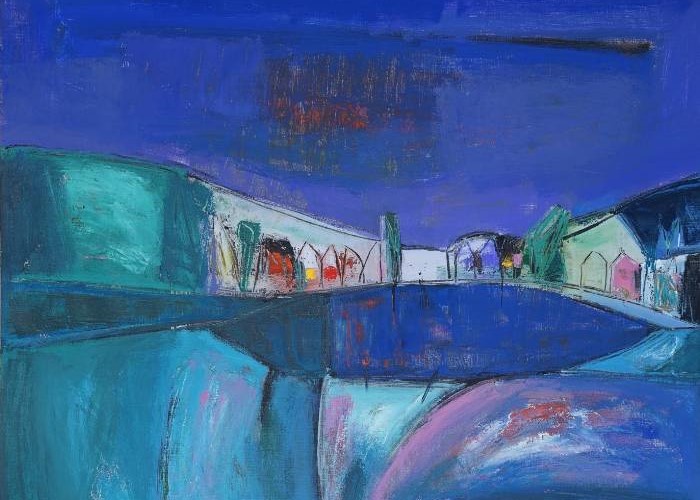
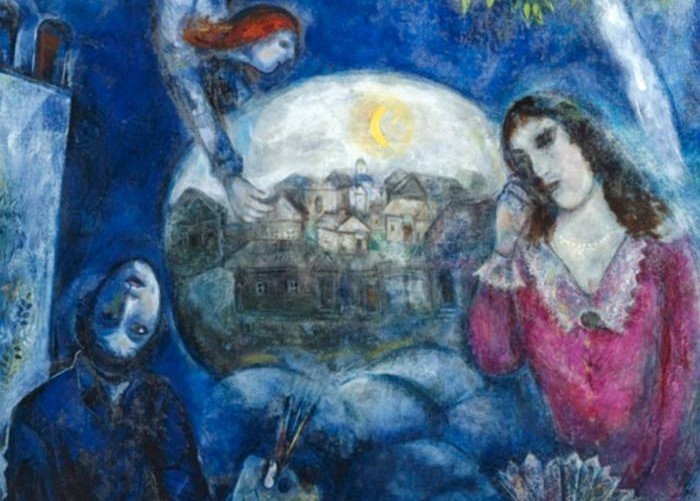
Then a young man appeared. A thief. He hastily opened all those same drawers, dumping the contents right onto the floor. Nothing. In a small wooden box, he found a cheap little bracelet, stuffed it into his pocket, and then, just like that woman, stopped in hesitation. What else could he steal? Books? No. Paintings? There are three of them. He chose a small one with a view of the city: cubes with squares on a blue background. Did he really like it? More likely, it fit the size: it could be hidden inside his jacket. He caught a fleeting glimpse of my photograph in a cheap frame. There was nothing left to take. Sneaking away, the young man disappeared. No. He returned and, getting down on his knees, fumbled around the bed for a long time. Nothing was found under the mattress except for little spiders, scattering across the room in a panic. Finally, the thief disappeared for good.
At night, growing bolder, the wind pushed the curtain aside. Shadows began to glide across the ceiling. The headlights of passing cars illuminated the empty wall, and in the morning, you hesitantly entered the room. The mess left by the thief must have discouraged you a little. Where I am now, there is no pain, but there is memory. I remember you as a girl, but I saw a middle-aged woman for whom every step in my room was difficult. Your memories are not connected to it at all, because you never came here, but everything here speaks of my absence.
What will you take then? Over there, in the bottom drawer of the desk, which no one has reached yet, there is a photo album, and at the bottom lies a laptop with letters to you. I wrote that I loved you as best I could, but, apparently, not in the way you needed. It is also written somewhere that once in a hospital, I saw a sick man, very sick; it was clear that he would not live long, but his wife and daughter were sitting beside him. Such warmth emanated from them that my heart clenched with pain and envy toward the dying man. If love is not a sorrowful attachment, then what is it? Oh well, you didn’t approach the desk, but you saw the photograph in the frame. I am young there. Maybe you’ll take it? No. Then what will you take with you? The painting? Of course! It is yours, after all. A view of the city from somewhere above. Probably from the roof of a house. The Brooklyn Bridge in the distance. The painting came to me through deceitful means, which outraged you so much, and all because I didn’t know how to help you. The buyer became known because of someone’s talkativeness. But now the painting is yours again. True, it is large, an awkward size for a thief and a woman,
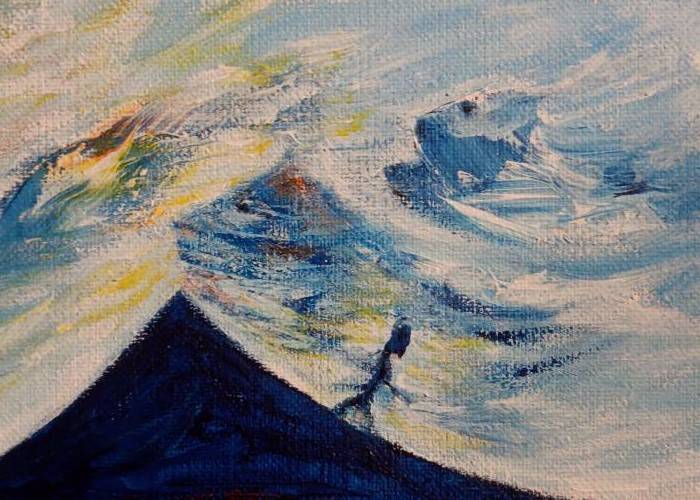
But look, here is one more painting, the last one. Gloomy, yes. A black swirling sky with a yellow opening near the horizon. Little houses by the road. Take it too. Do you see, there among the black clouds is a small blue patch, like a promise of a clear sky. You stand by the painting in contemplation. Well then, at least sit for a bit in this room. Why am I asking for this? After all, I know you want to leave as soon as possible. And you leave with only one painting.
Well, then, some people carry the furniture out of the room and deal with everything left there. The room is finally empty; there is not even a curtain on the window. But after all, there was something in it. “In order not to lose, one must not possess,” I say to myself and see nothing more.