It was a perfectly ordinary morning. Professor George Gunn, an Oxford University historian and Egyptologist, was dispassionately performing his daily ritual: morning ablutions, choosing a suit – a truly simple task, as all his suits were identical, coffee brewed by his housekeeper, and a simple, tasteless piece of toast sparingly spread with butter and jam.
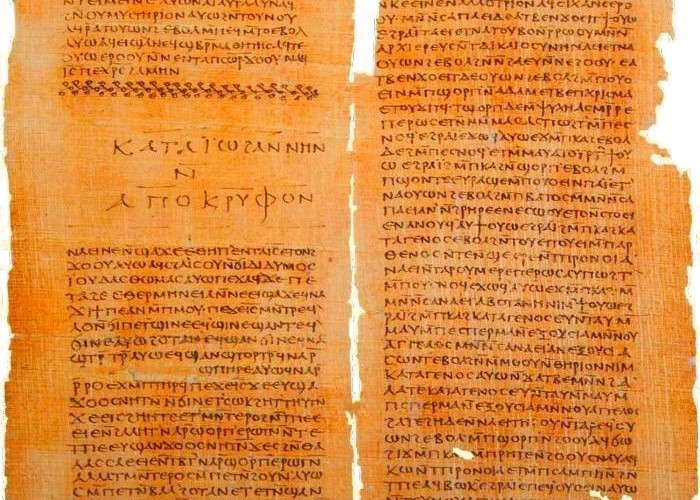
Professor Gunn unfolded the morning paper, and a headline immediately jumped out: “Incredible Archaeological Discovery!” Gunn impatiently scanned the article: “In Egypt, near Nag Hammadi, one of the papyrus books from the library of the Monastery of Saint Pachomius the Great has been discovered… Archaeologists continue their search… A momentous discovery…” The professor got up and paced the room, rubbing and wringing his hands. “This is it, this is it!” flashed through his mind, but it couldn’t quite form into a coherent thought. Forgetting about breakfast, his hat, and his cane, Professor Gunn dashed out of the house, jumped into the first taxi he saw, and rushed to the university. The department was already buzzing like a disturbed beehive. The day passed in joyful exclamations, phone calls, and excited conversations. By evening, Professor George Gunn knew for certain that he simply had to be there, where archaeologists were about to find the precious manuscripts of the ancient library. He knew he was going to Egypt. And as soon as possible.
Upon arriving in Nag Hammadi, Professor Gunn settled into the house of a local shepherd. It should be noted that it was the local shepherds who had discovered the first book, sealed in an amphora and hidden in the wall of one of the caves. Now, a whole army of archaeologists was engaged in the search. After resting from his journey, the professor came out for breakfast. The shepherd’s wife placed a round, flat bread in front of him. Breaking off a piece and starting to chew without a second thought, Gunn froze in astonishment. The bread melted in his mouth, and its taste was truly divine. For a while, Gunn forgot about everything else in the world. “Mmmmmm!” – the professor grunted gratefully, expressing his admiration the only way he could. The embarrassed woman lowered her eyes, hastily wrapped herself in a scarf, and slipped out of the room. Gunn finished the bread, savoring every bite, and went to the caves, where the work was already in full swing. The day flew by unnoticed; nothing was found, but at the shepherd’s house, tired Gunn was once again greeted with the amazing bread. To professor’s great regret, neither the next day nor the days after brought any new discoveries. The days flashed by one after another, and only the breakfasts and dinners, so unlike the bland and tasteless ones at home, brightened the series of daily disappointments.
But then there it was – the time to return. The sacred scrolls remained somewhere in the hidden chambers of the ancient caves. “I must at least find out how she makes the bread,” thought the professor, watching the silent hostess during dinner. Asking was impossible – they couldn’t understand each other. Gunn decided to wake up early and spy on her.
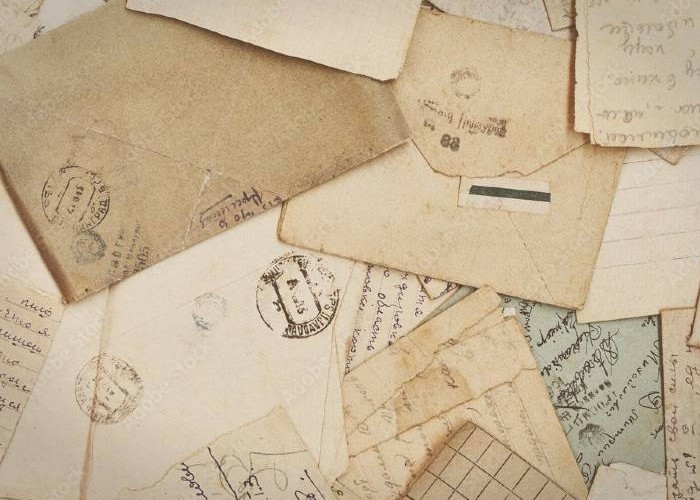
Early in the morning, Professor George Gunn of Oxford University hid behind a curtain like a schoolboy, peeking at the hostess as she prepared to bake her divine bread. The woman brought firewood and stacked it in the oven, added chips and small branches, then reached into a basket, took out several sheets of ancient papyrus, yellowed with age, crumpled them up, and tucked them under the firewood. The fire flared up, and the stove was illuminated by bright flames.
Both versions (English and Russian) are the author’s.