




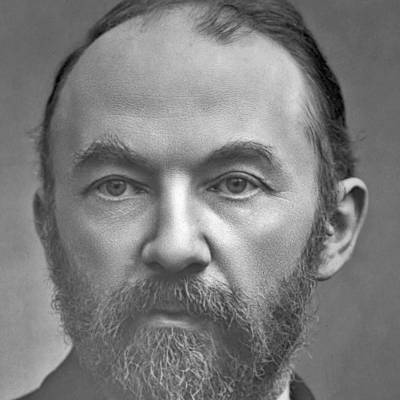
Thomas Hardy. The Man He Killed. Translated by Liana Alaverdova

Also in Translations:

...
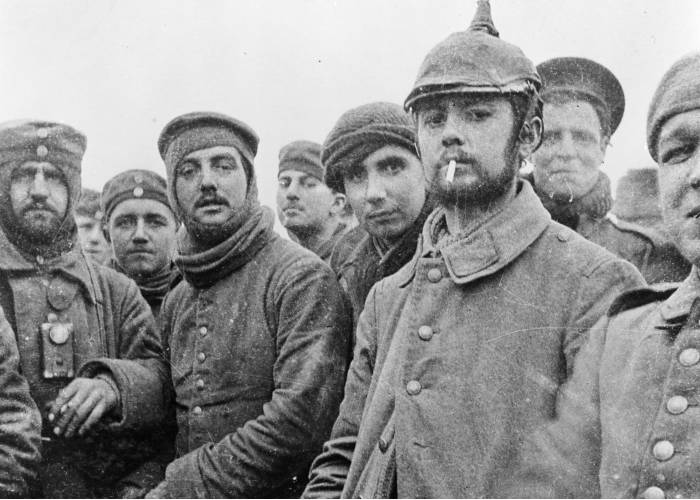
British soldiers during the Christmas Truce of 1914, when the guns briefly fell silent.
Thomas Hardy. The Man He Killed. Translated by Liana Alaverdova

 
“Had he and I but met
       By some old ancient inn,
We should have sat us down to wet
       Right many a nipperkin!

       “But ranged as infantry,
       And staring face to face,
I shot at him as he at me,
       And killed him in his place.

       “I shot him dead because —
       Because he was my foe,
Just so: my foe of course he was;
       That’s clear enough; although

       “He thought he’d ‘list, perhaps,
       Off-hand like — just as I —
Was out of work — had sold his traps —
        No other reason why.

       “Yes; quaint and curious war is!
        You shoot a fellow down
You’d treat if met where any bar is,
        Or help to half-a-crown.”
 

* * *

 
Коль встретился бы с ним
        В какой-нибудь пивнушке,
Перепились бы прямо в дым
        Вдвоем, за кружкой – кружка.

        Но мы лишь солдатня.
        В сраженьи мы столкнулись.
Я стрельнул, он стрелял в меня.
        Моей убит был пулей.

        Его я застрелил.
        Он был моим врагом.
Моим врагом конечно был.
        Все ясно, и притом

        Солдатом стал, как я,
        Как тысячи мужчин.
Был без работы и хламья –
        Других-то нет причин.

        Война – такая дичь!
        Подстрелишь там, ей Богу,
Кого б ты пивом угостил
        Или помог немного.
 

About the Author:

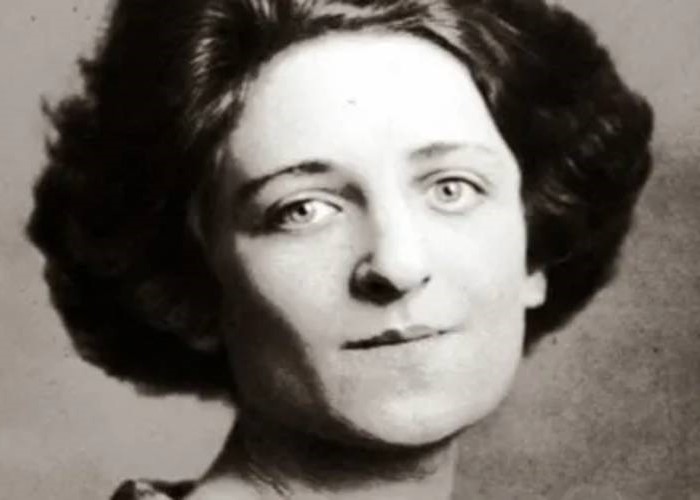
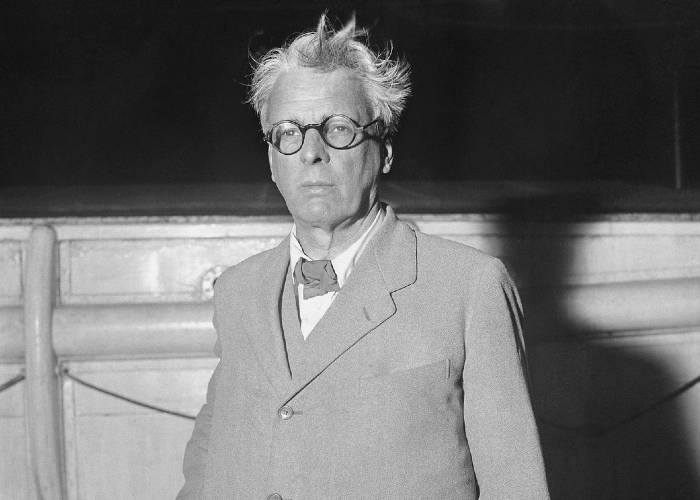
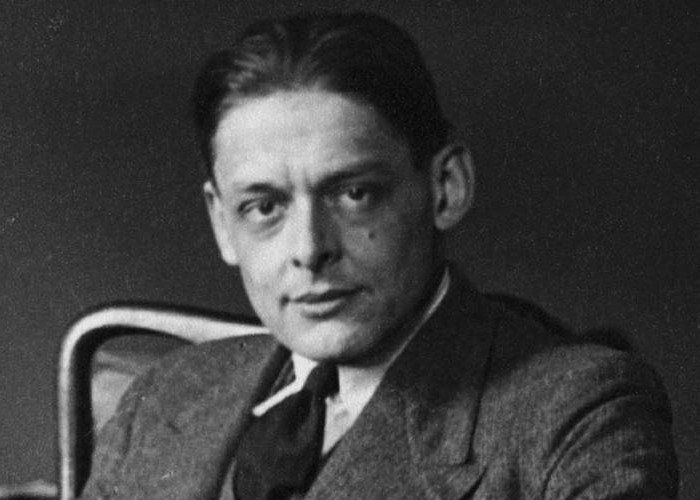
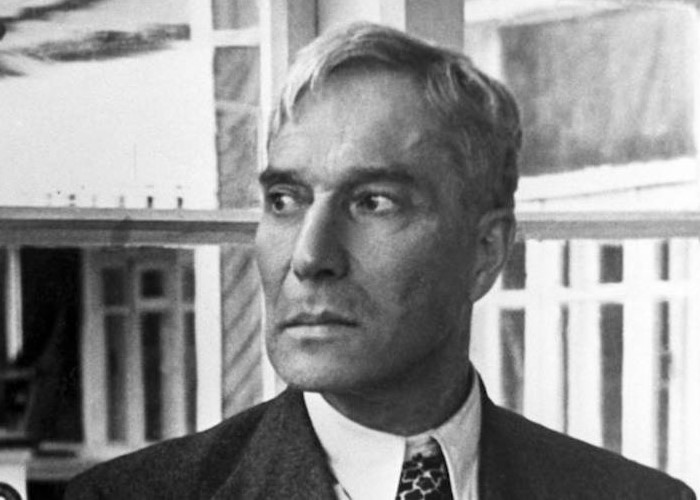
1. фото оф Гарди
Thomas Hardy
Dorchester, England

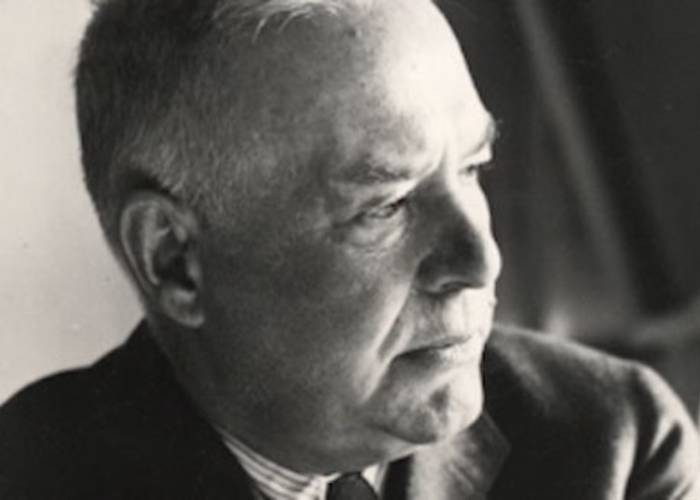
Thomas Hardy (2 June 1840 – 11 January 1928) was an English novelist and poet. A Victorian realist in the tradition of George Eliot, he was influenced both in his novels and in his poetry by Romanticism, including the poetry of William Wordsworth. While Hardy wrote poetry throughout his life and regarded himself primarily as a poet, he gained fame as the author of novels such as Far from the Madding Crowd (1874), The Mayor of Casterbridge (1886), Tess of the d’Urbervilles (1891), and Jude the Obscure (1895). His first collection was not published until 1898.
Read more about him: https://en.wikipedia.org/wiki/Thomas_Hardy


About the Translator:

1. DSC_2578 (2)
Liana Alaverdova
New York, USA

Liana Alaverdova’s poems, articles, and translations from English and Azerbaijani languages have been published in periodicals, in Russian and English, in Russia, Germany, the USA, Ukraine, Canada, and Azerbaijan. She has authored eleven books of poetry and non-fiction (popular psychology, literary criticism, memoirs, essays, and articles). She works as a Neighborhood Library Supervisor of the Kings Bay Library, one of the branches of the Brooklyn Public Library.

Thomas Hardy Томас Гарди
Bookshelf
629285321_1293200506022560_7049761535591991609_n
by Zinovy Zinik

When Clea returns to London with her new Russian husband, she is surprised to see him become even more eccentric.

Naza s book
by Naza Semoniff

A haunting dystopia some readers have called “the new 1984.” In a society where memory is rewritten and resistance is pre-approved, freedom isn’t restricted; it’s redefined. As systems evolve beyond human control and choice becomes a simulation, true defiance means refusing the script, even when the system already knows you will.

behind_the_border-cover
by Nina Kossman

“13 short pieces…pungently convey the effects of growing up under a totalitarian regime.”                       .—Publishers Weekly

Other Shepherds: Poems with Translations from Marina Tsvetaeva by Nina Kossman
by Nina Kossman

Original poetry by Nina Kossman, accompanied by a selection of poems by Marina Tsvetaeva, translated from Russian by Kossman. “The sea is a postcard,” writes Nina Kossman. There is both something elemental in this vision and—iron-tough.”
—Ilya Kaminsky

Videos
No data was found