Artists of Ukraine. Maria Prymachenko
may-that-nuclear-war-be-cursed-1978
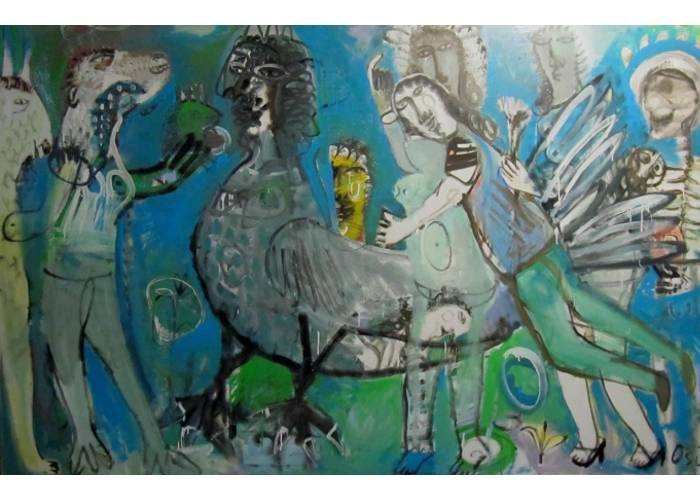
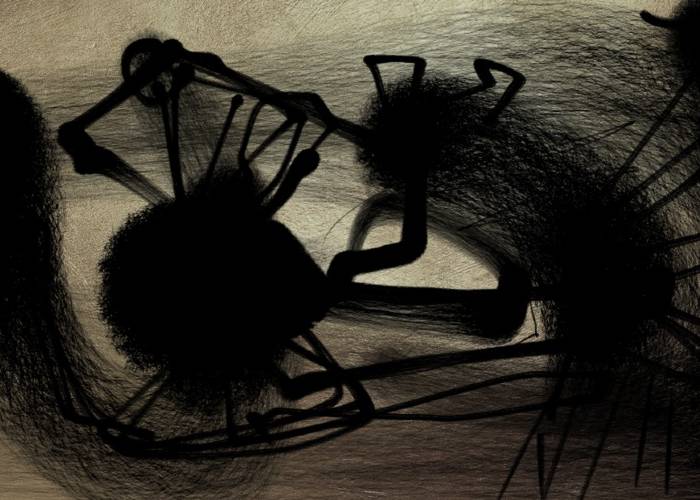
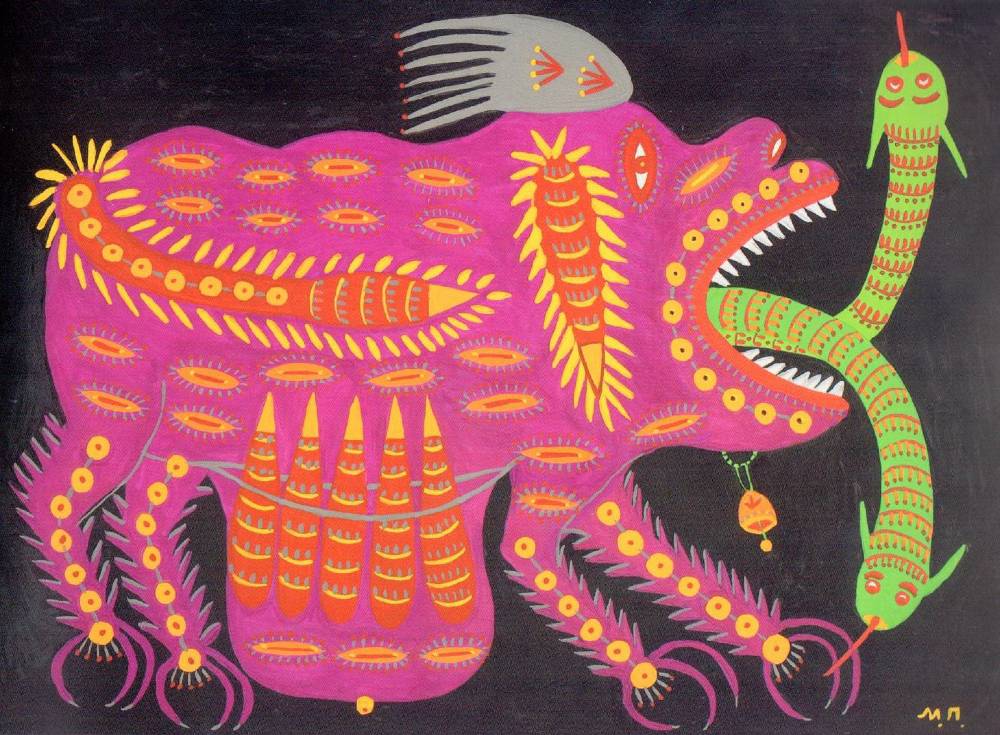
Maria Prymachenko. "May That Nuclear War Be Cursed!" (1978)
Artists of Ukraine. Maria Prymachenko

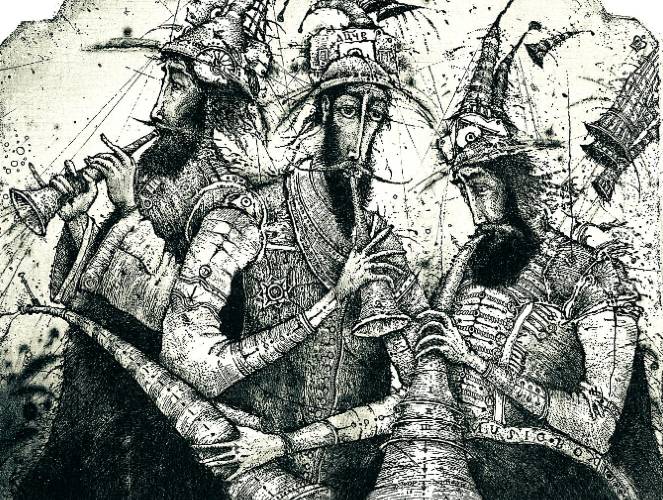
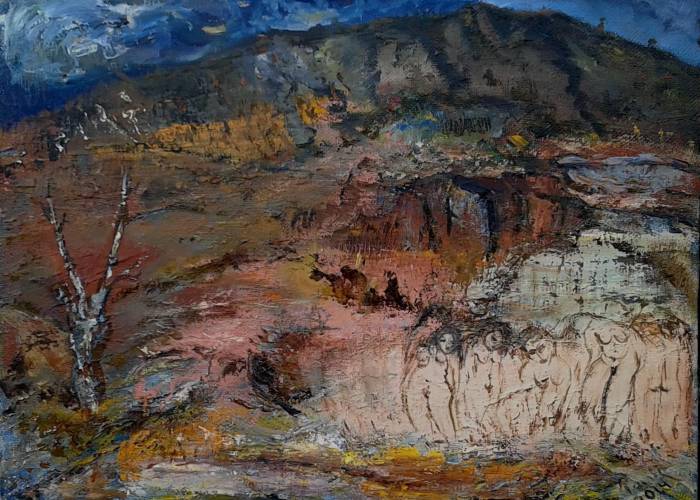
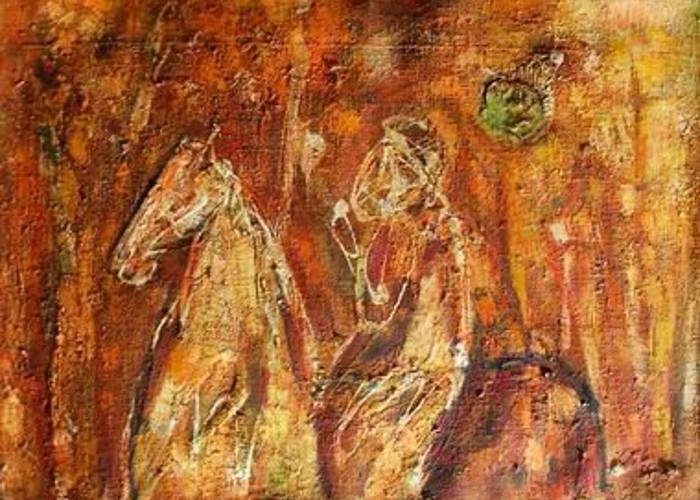
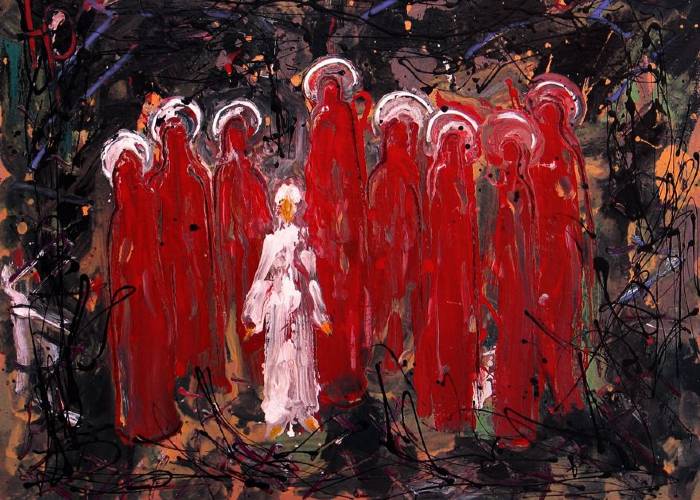
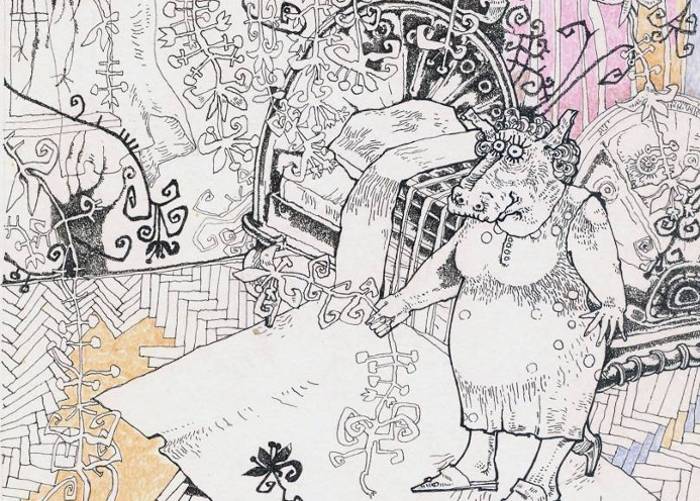
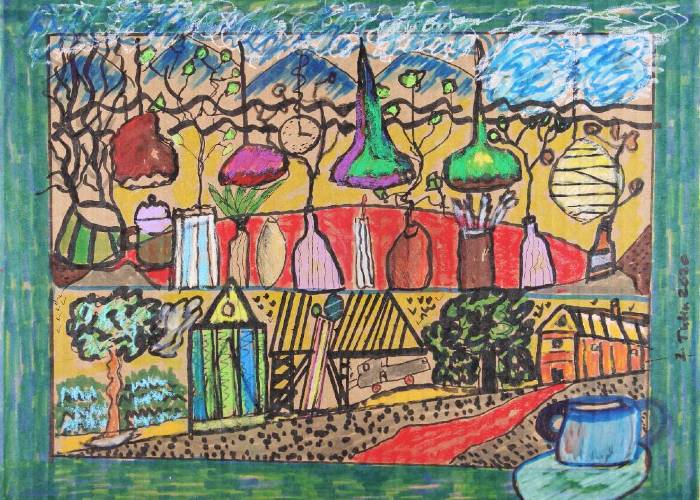
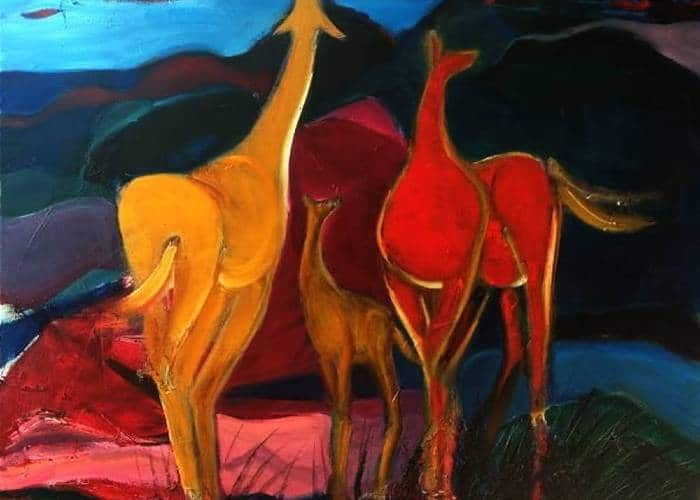
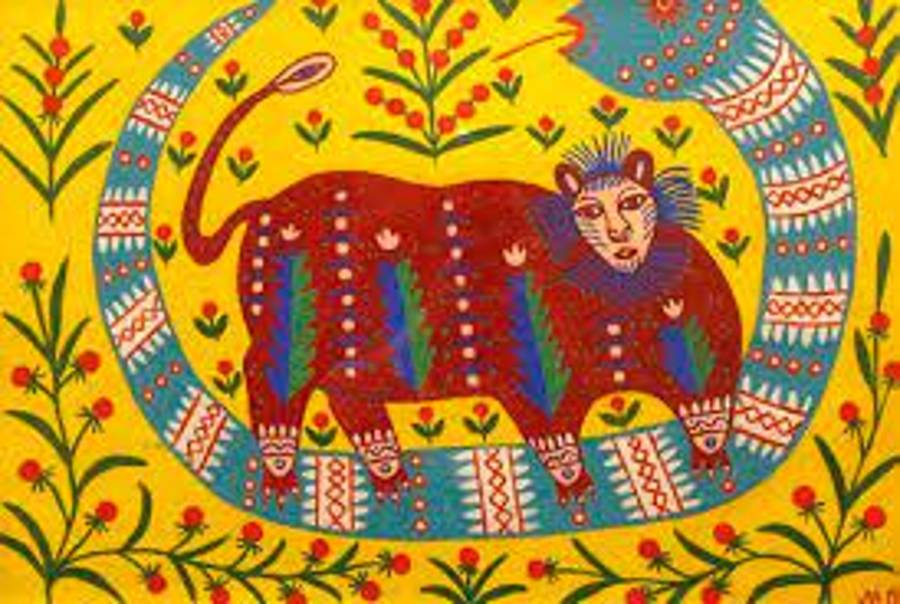
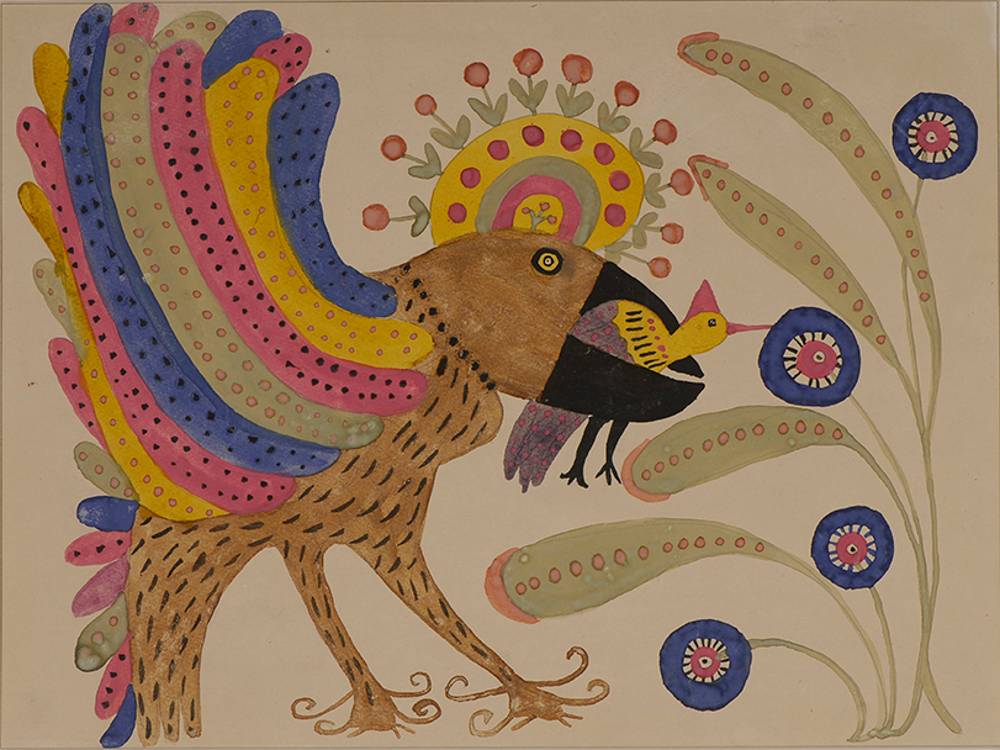
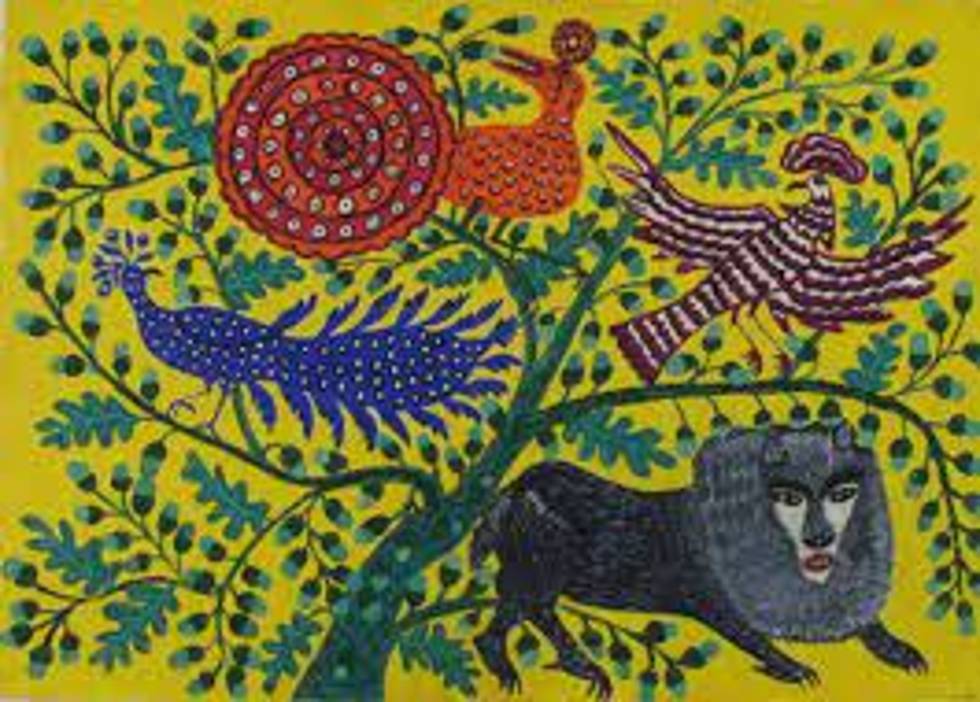
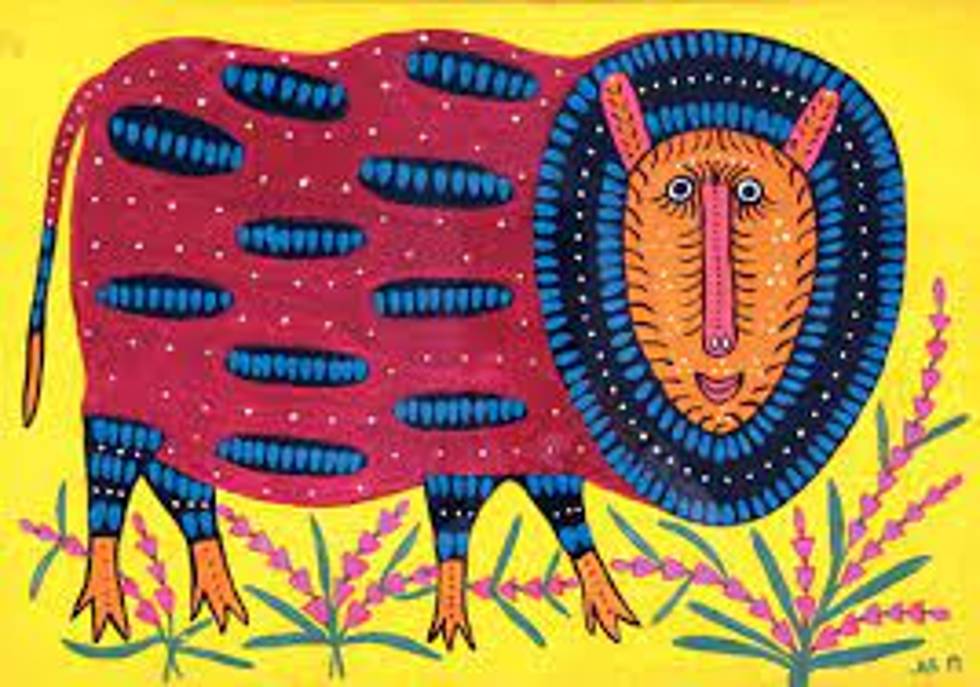
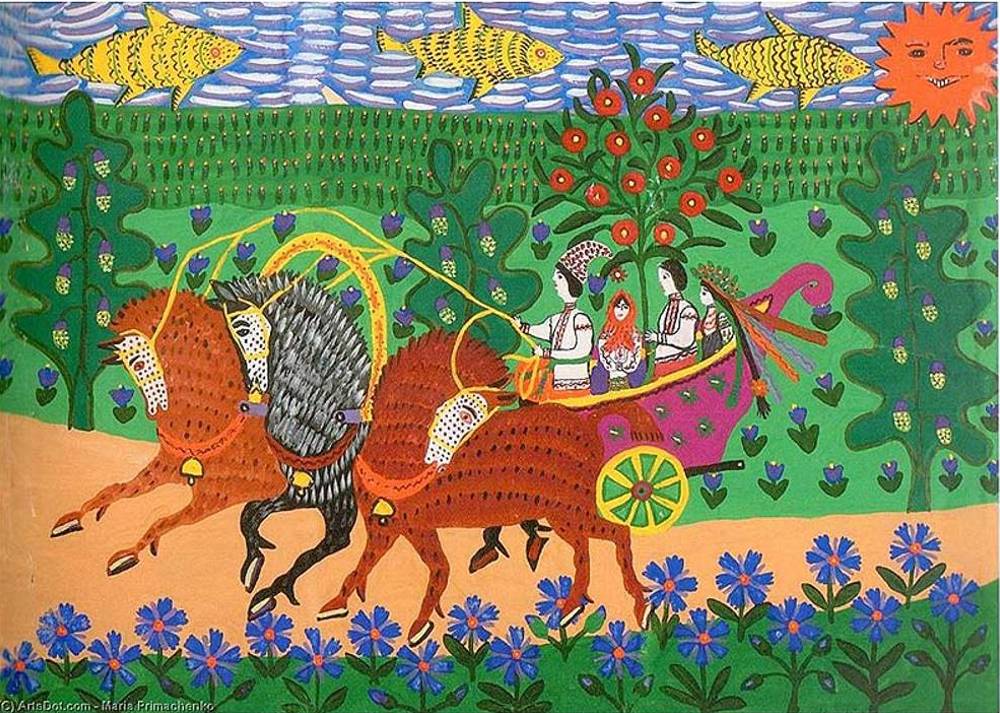
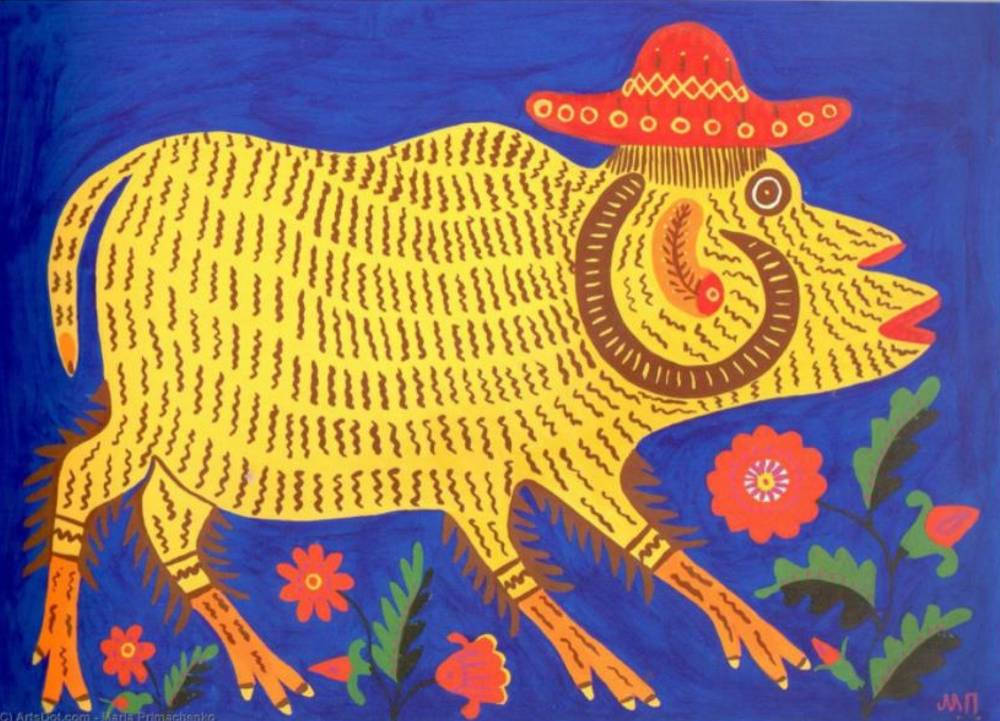
Prymachenko’s works were inspired by Ukrainian, and in particular Polesian, folk traditions. They include references to the natural world and to fairy tales. During the 1930s, she made a transition from embroidery to painting, and her works from this period are painted onto white backgrounds. Her bold and expressive linework was developing and she was combining traditional Ukrainian motifs in new ways. During the 1960s to 1980s, her style continued to develop, with paintings having an increasingly vibrant color palette and a new choice of bright backgrounds for her works.

The Ivankiv Historical and Local History Museum, where many works by Prymachenko had been held, was burned during the 2022 Russian invasion of Ukraine, with the supposed loss of 25 of her works. However, according to a social media post by journalist Tanya Goncharova, local people were able to save some of Prymachenko’s works from the fire.

About the Author:

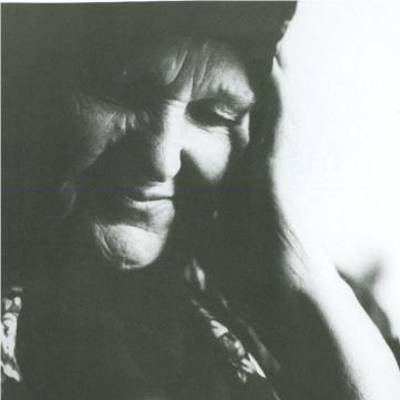
1. photo by Yuri Rost. Mariia Pryimachenkoee.jpg!Portrait
photo by Yurii Rost
Maria Prymachenko
Bolotnya village in the Ivankiv Raion, Kiev Oblast, Ukraine

Maria Prymachenko (Ukrainian: Приймаченко Марія Оксентіївна) (1908–1997) was a Ukrainian village folk art painter, representative of naïve art. She is famous for her drawings, embroidery, and painting on ceramics.

Maria was a peasant woman. She was born and spent her whole life in the village of Bolotnya in the Ivankiv Raion, Kiev Oblast, situated only 30 km (19 mi) from Chernobyl.

Іn her childhood Maria was taken ill with polio, and this painful disease influenced the girl’s life.

In 1966, Prymachenko was awarded the Taras Shevchenko National Prize of Ukraine. The United Nations Educational, Scientific and Cultural Organization (UNESCO) declared that 2009 was the year of Prymachenko. A street in Kyiv and a minor planet are both named after her. Pablo Picasso once said, after visiting a Prymachenko exhibition in Paris, “I bow down before the artistic miracle of this brilliant Ukrainian.”
Maria Prymachenko Мария Примаченко
Bookshelf
book Queen
by Borys Khersonsky. Svetlana Lavochkina and Oksana Rosenblum, translators

The first bilingual collection of Ukrainian verse by Borys Khersonsky. In these poems, heaven is often the setting: Jews who perished during pogroms and in the Holocaust continue with their daily routines, whereas on earth, displacement has become a constant, and collective memory has been cleansed of the Jewish past.

Iossel book
by Mikhail Iossel

The author has found a perfect syntactical solution to the opposition of past and present in this groundbreaking collection of one-sentence stories: everything is simultaneous, breathless, in a dizzying spin of memory and imagination.

wq4q49-front-shortedge-384
by Yelena Matusevich

A collection of very short stories. In Russian.


Maxim Matusevich's book
by Maxim Matusevich

Six Trains of No Return collects twelve short stories and novellas that examine immigrant sagas and dislocations.

Videos
No data was found