dybbuk-fragment
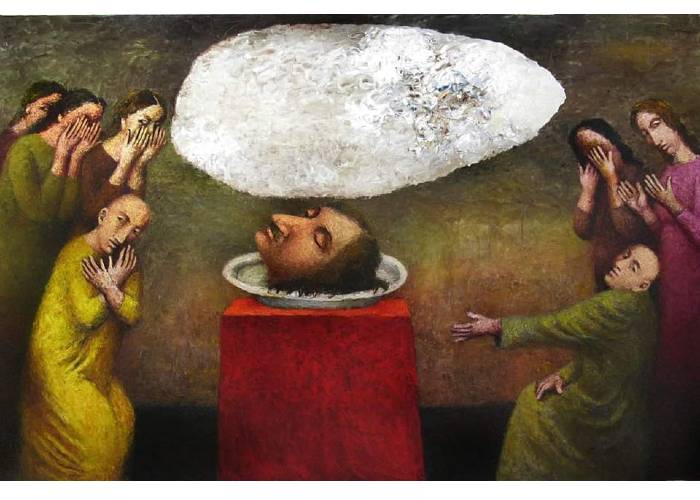
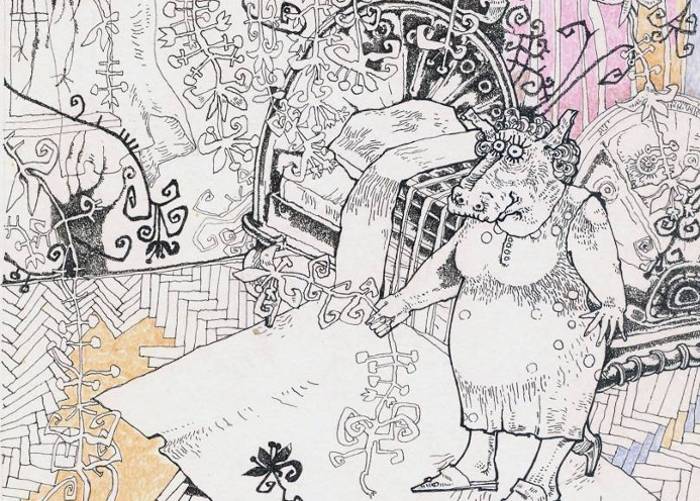
"Dybbuk" (fragment)
Art of Melita Kraus

 
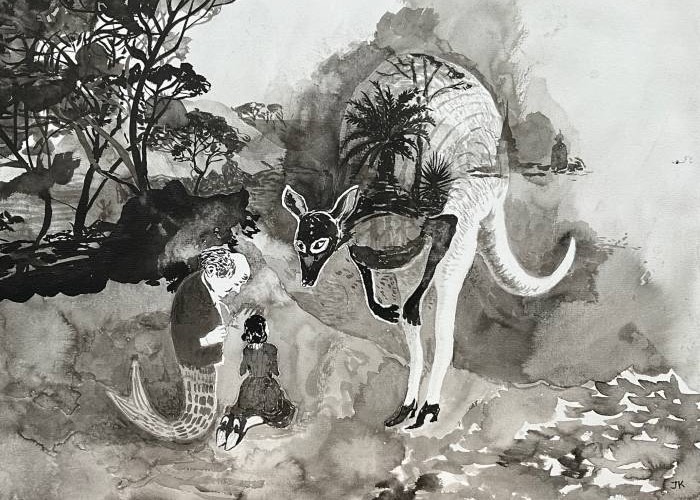
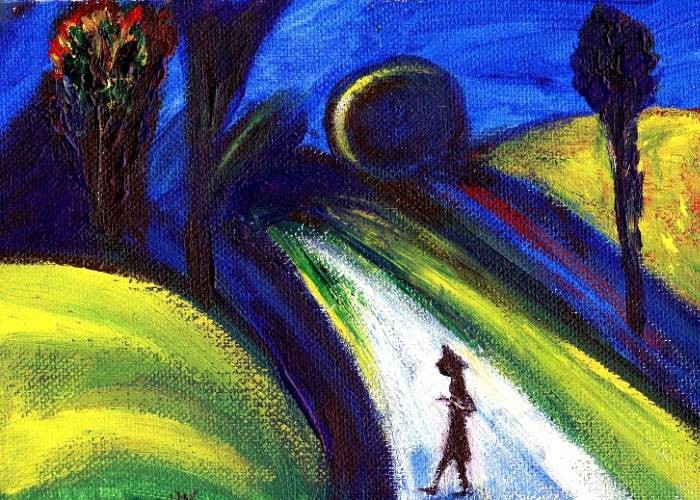
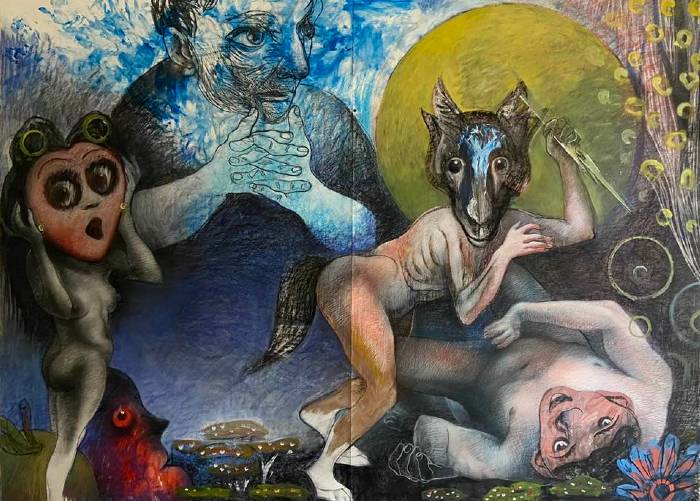
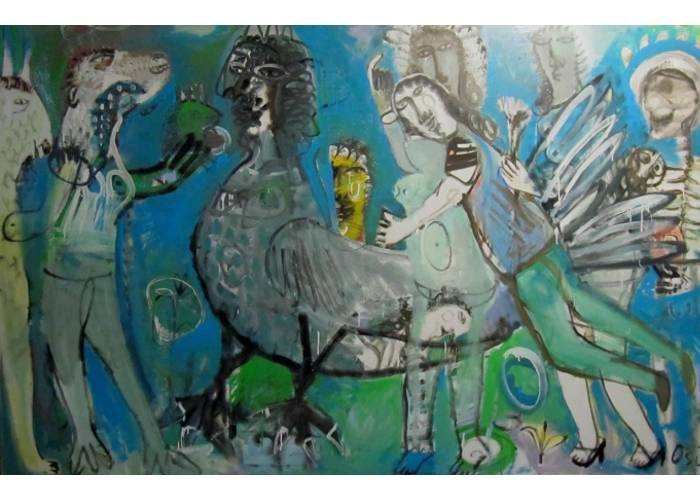
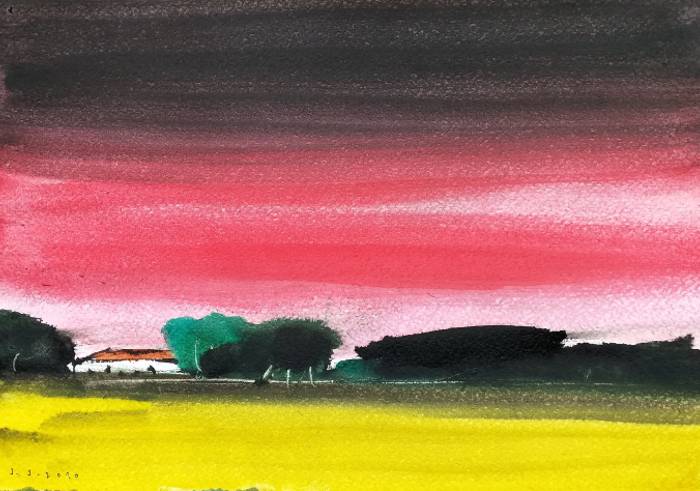
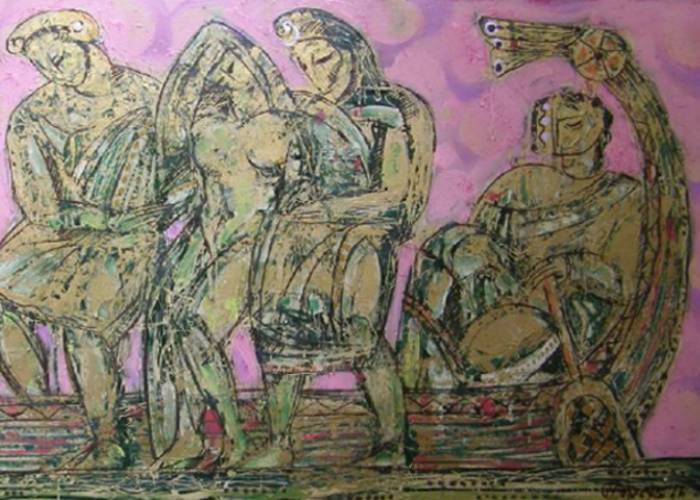
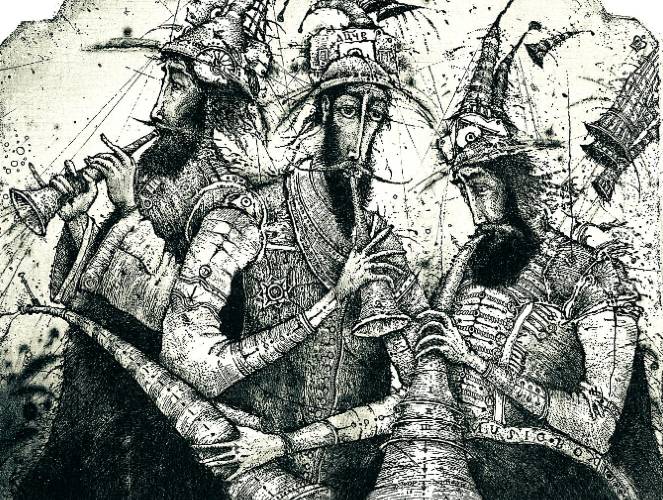
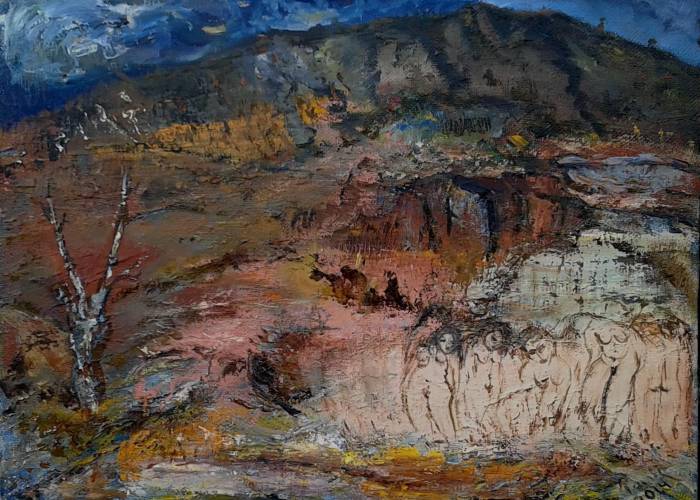
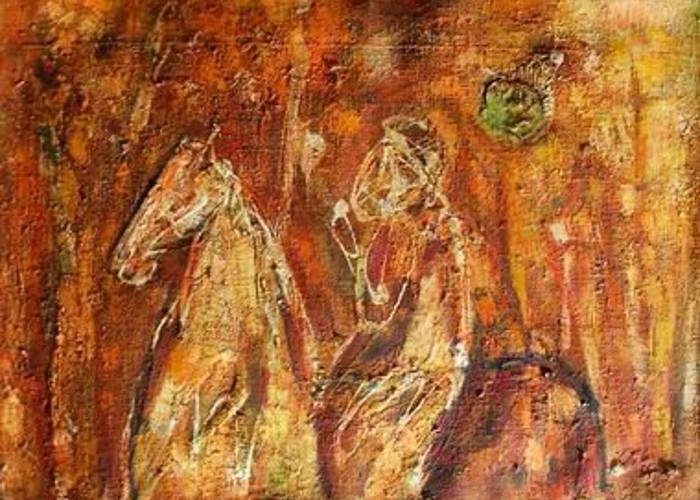
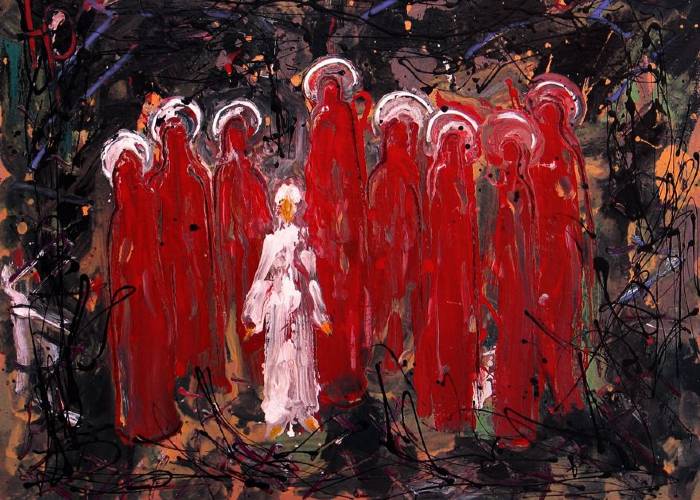
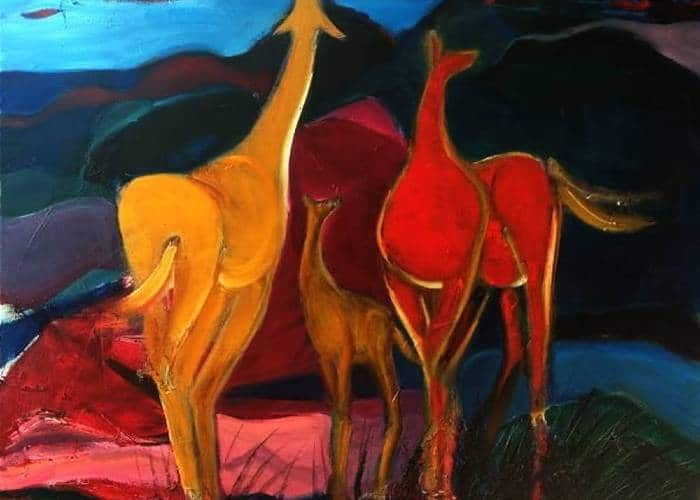
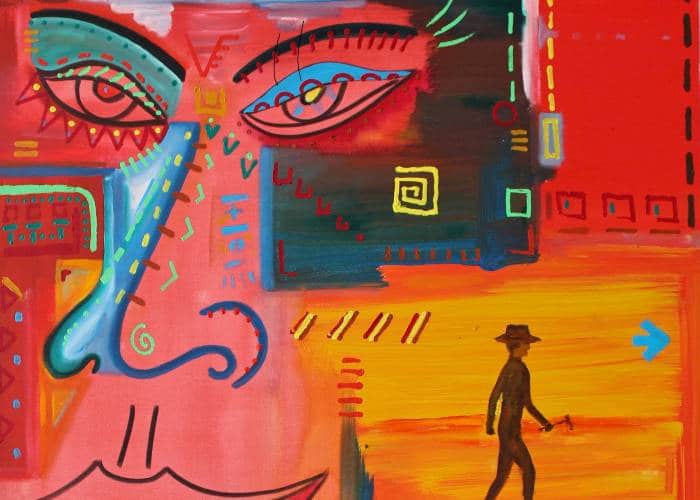
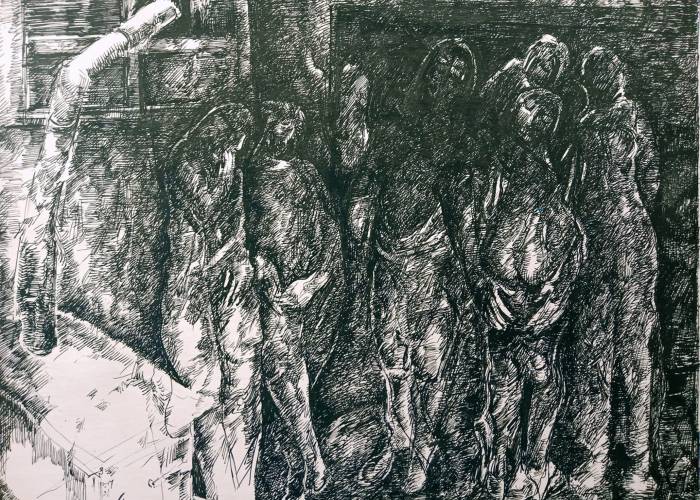
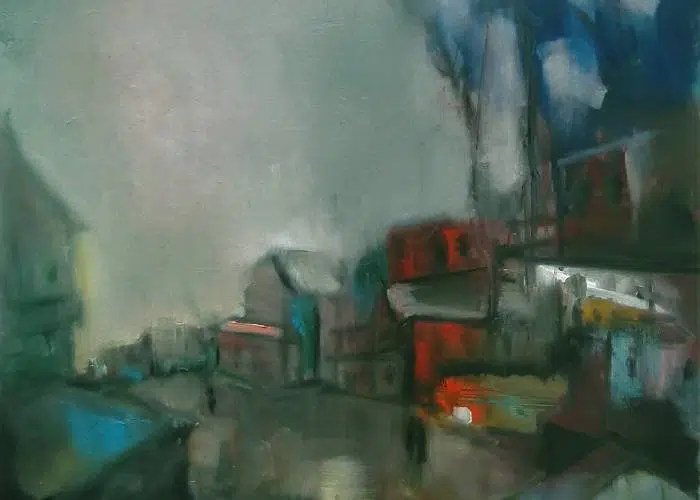
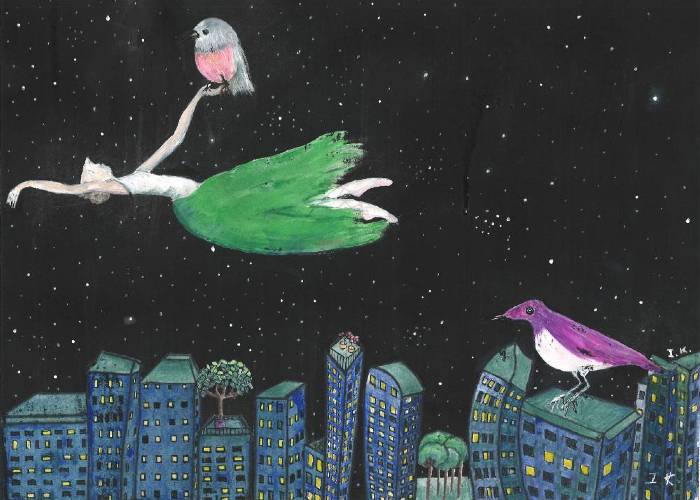
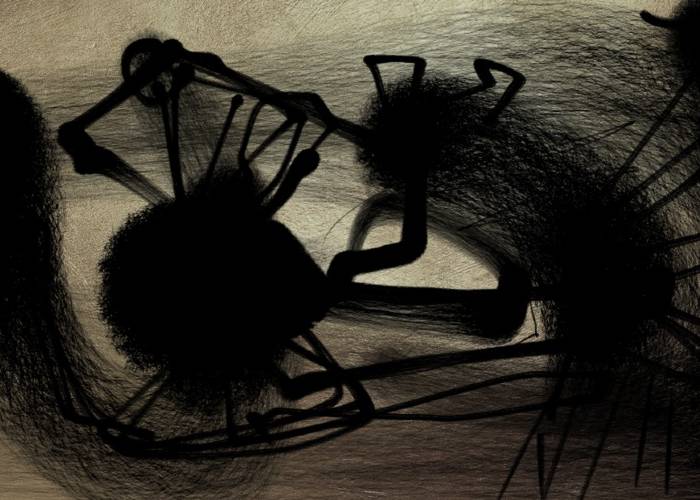
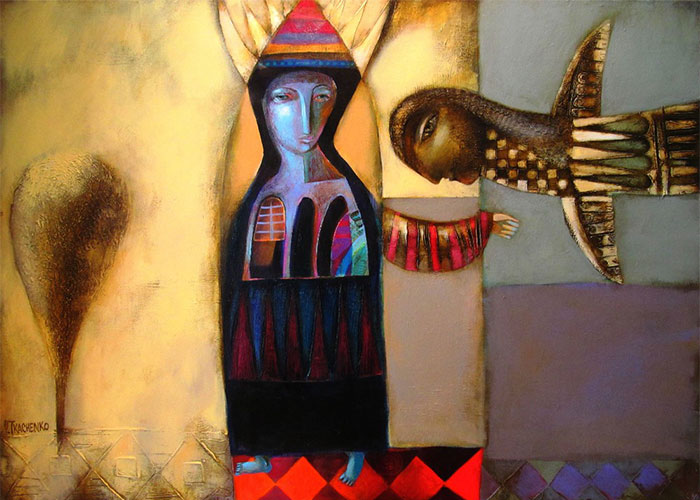
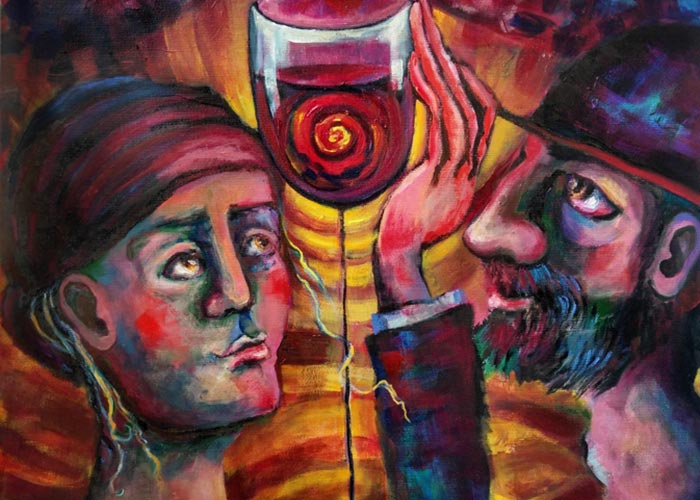
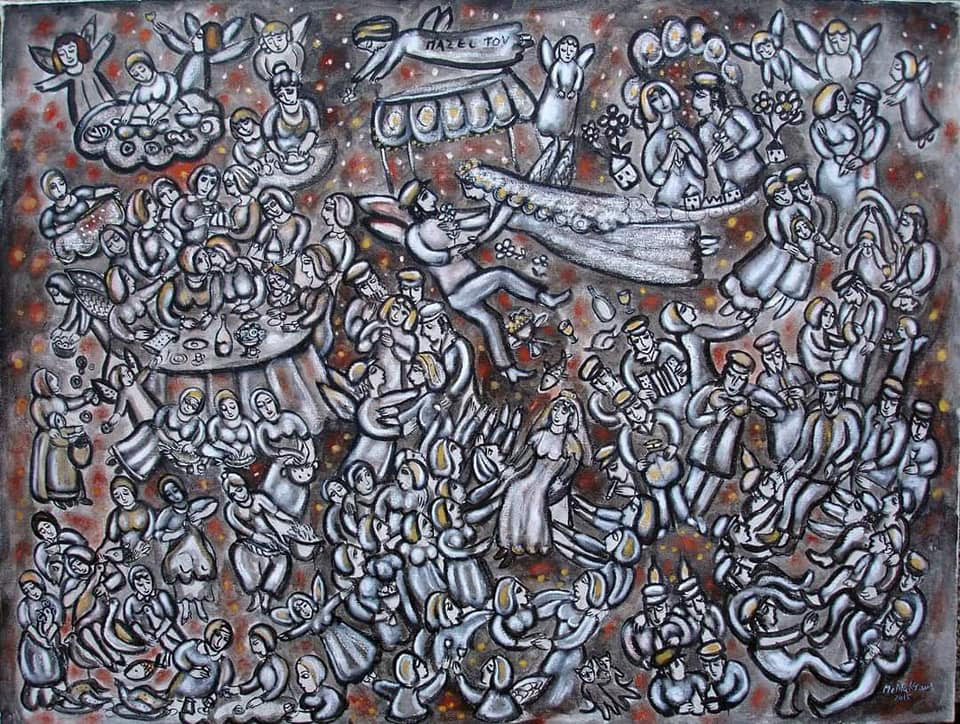
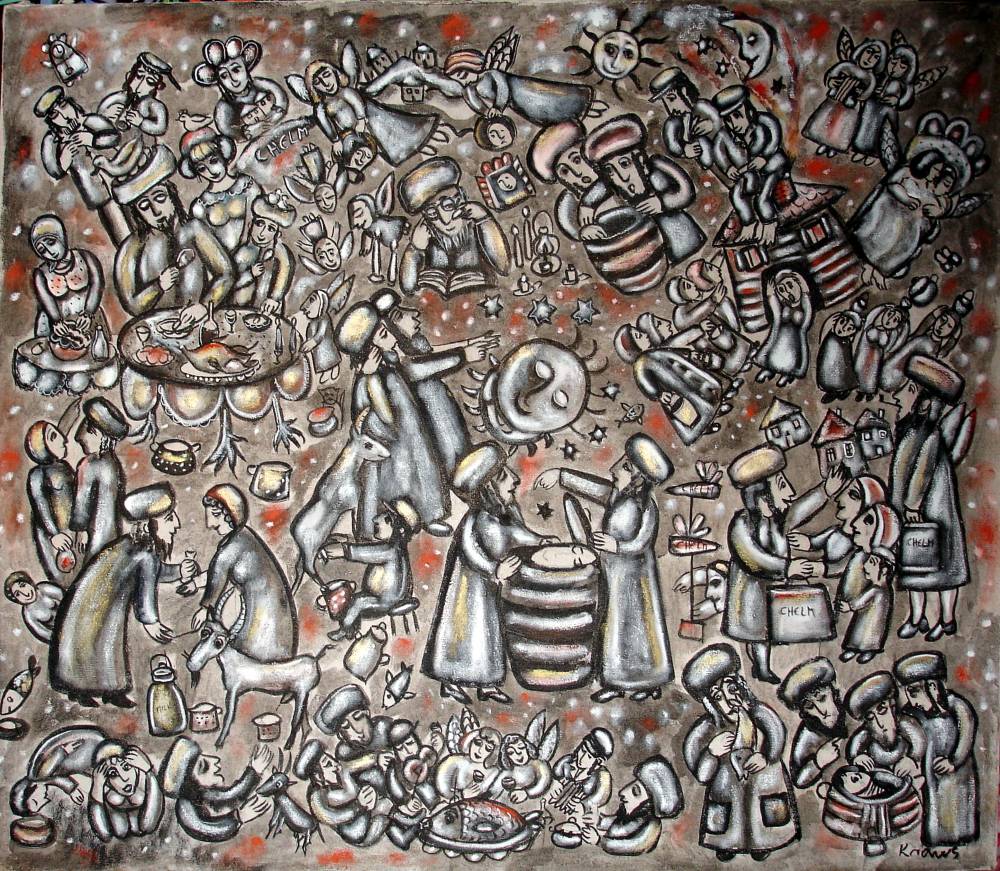
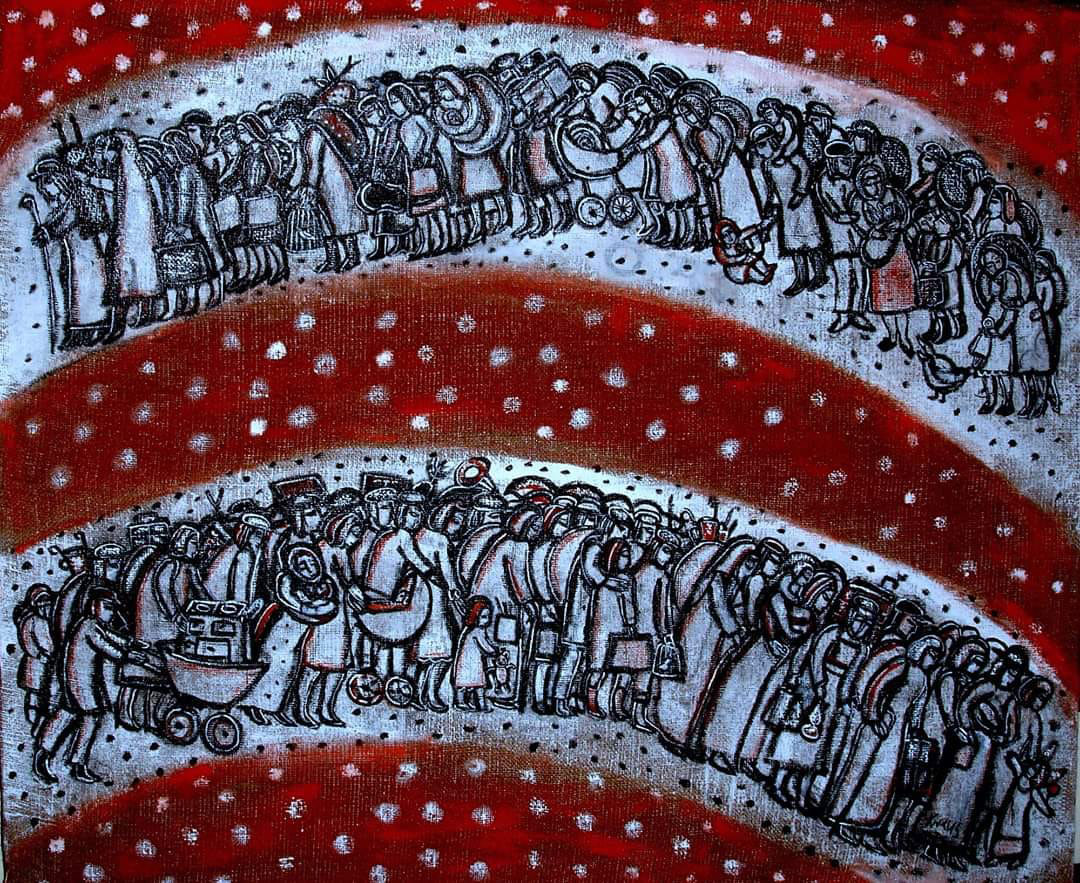
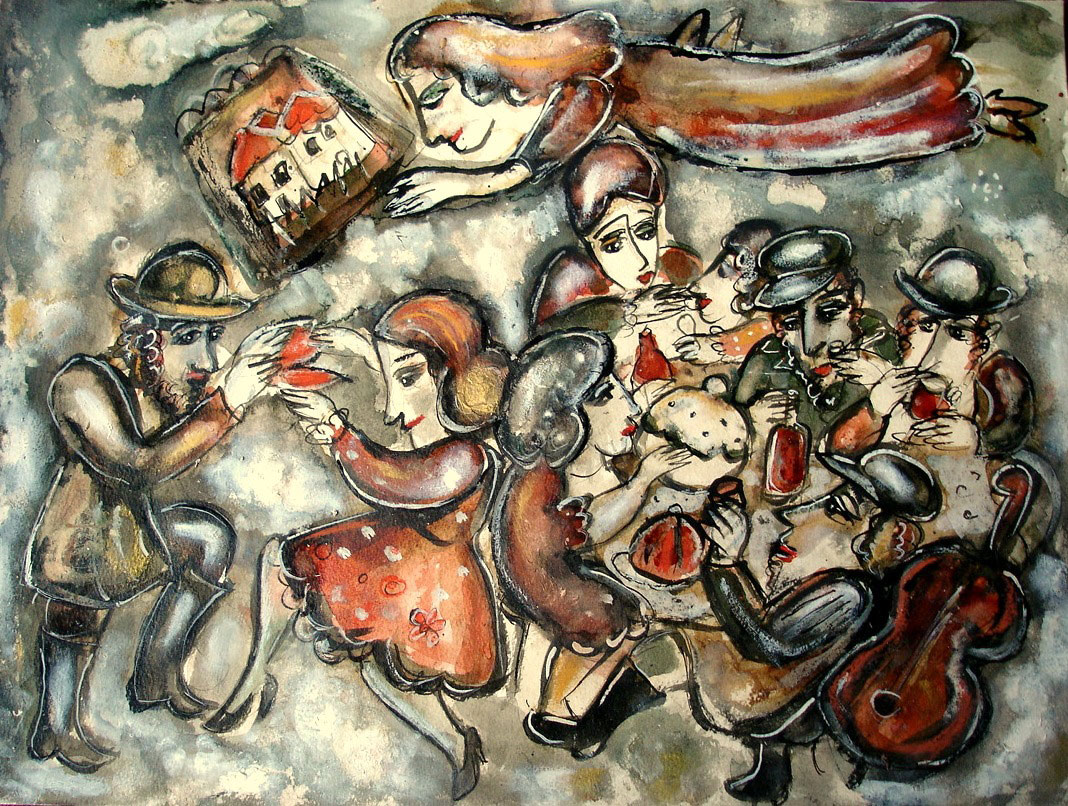
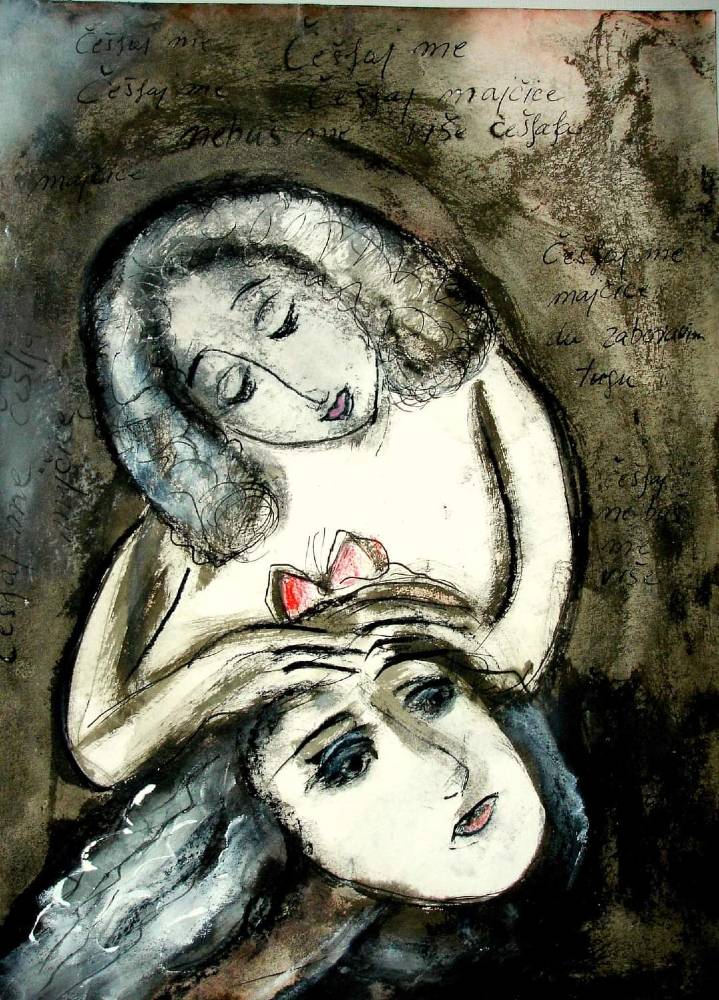
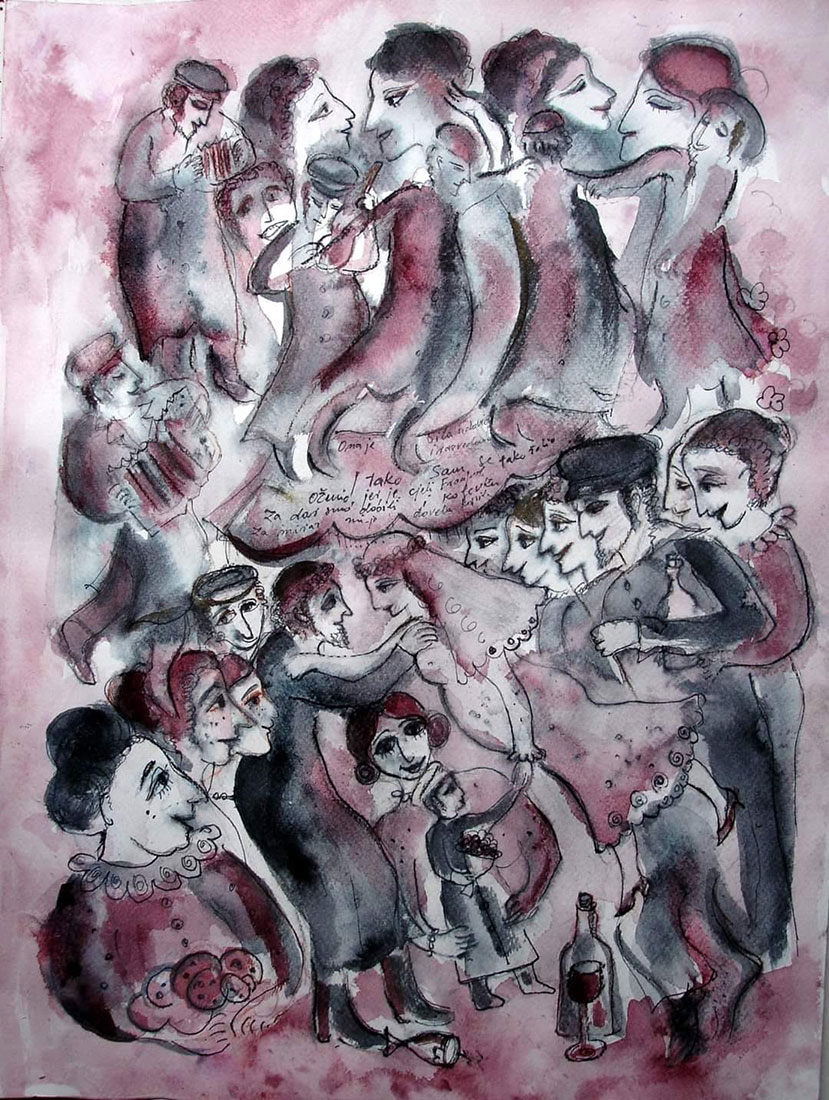
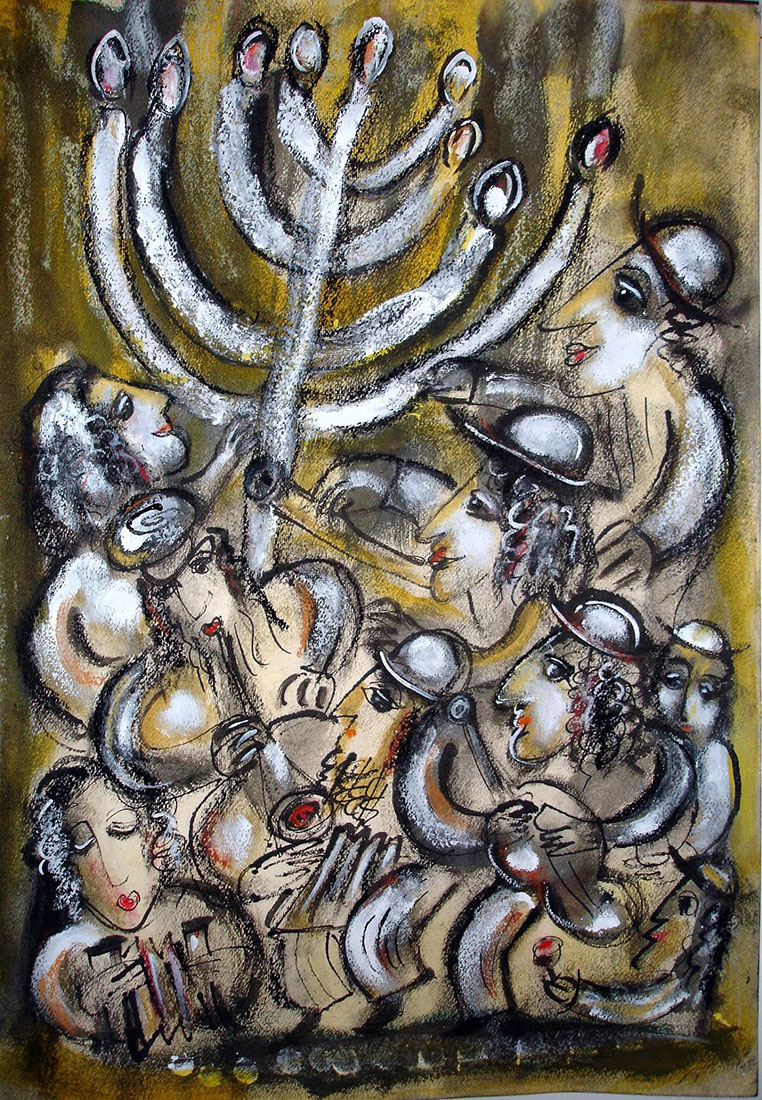
Most of Melita’s family perished in the Holocaust. She began to exhibit her work in 1991, when her family was once again destroyed by war, this time in ex-Yugoslavia. To survive reality, she created another world for herself where the story of her family could continue. Her paintings represent chapters of the story of her life. The painting that describes it best is ‘The Dybbuk” inspired by the play “Between the Two Worlds” by S. Ansky, which tells a story of fated love. Dybbuk, a wandering soul of a dead person who could enter and  possess the body of a living person, was a popular figure in Jewish folklore in Central and Eastern Europe.
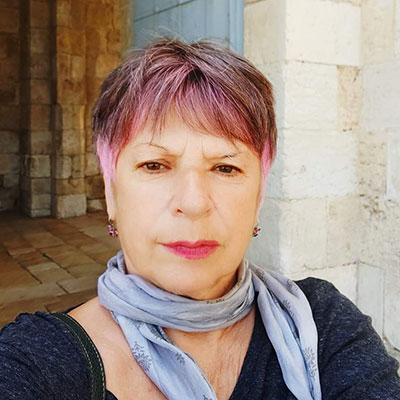

About the Author:

Melita-Kraus-photo
Melita Kraus
Bjelovar, Croatia

Melita Kraus was born in a non-observant Jewish family in Croatia in 1954. Most of her family perished in the Holocaust. While she was growing up, her family didn’t practice any Jewish rituals, nor was there any talk about them. Today, she uses her art as a way of honoring her family and all the victims of the Holocaust.

Melita Kraus Мелита Краус
Bookshelf
cockroach cover
by Nina Kossman

A collection of nonsense poetry for readers who love Edward Lear, Hilaire Belloc, and all things delightfully peculiar.

behind_the_border-cover
by Nina Kossman

“13 short pieces…pungently convey the effects of growing up under a totalitarian regime.” —Publishers Weekly

Version 1.0.0
by Nina Kossman


A new book of poems by Nina Kossman. “When the mythological and personal meet, something transforms for this reader…” -Ilya Kaminsky

Other Shepherds: Poems with Translations from Marina Tsvetaeva by Nina Kossman
by Nina Kossman

Original poetry by Nina Kossman, accompanied by a selection of poems by Marina Tsvetaeva, translated from Russian by Kossman. “The sea is a postcard,” writes Nina Kossman. There is both something elemental in this vision and—iron-tough.”
—Ilya Kaminsky

Videos
No data was found